

A Critical Financial Pivot for Pune Cantonment
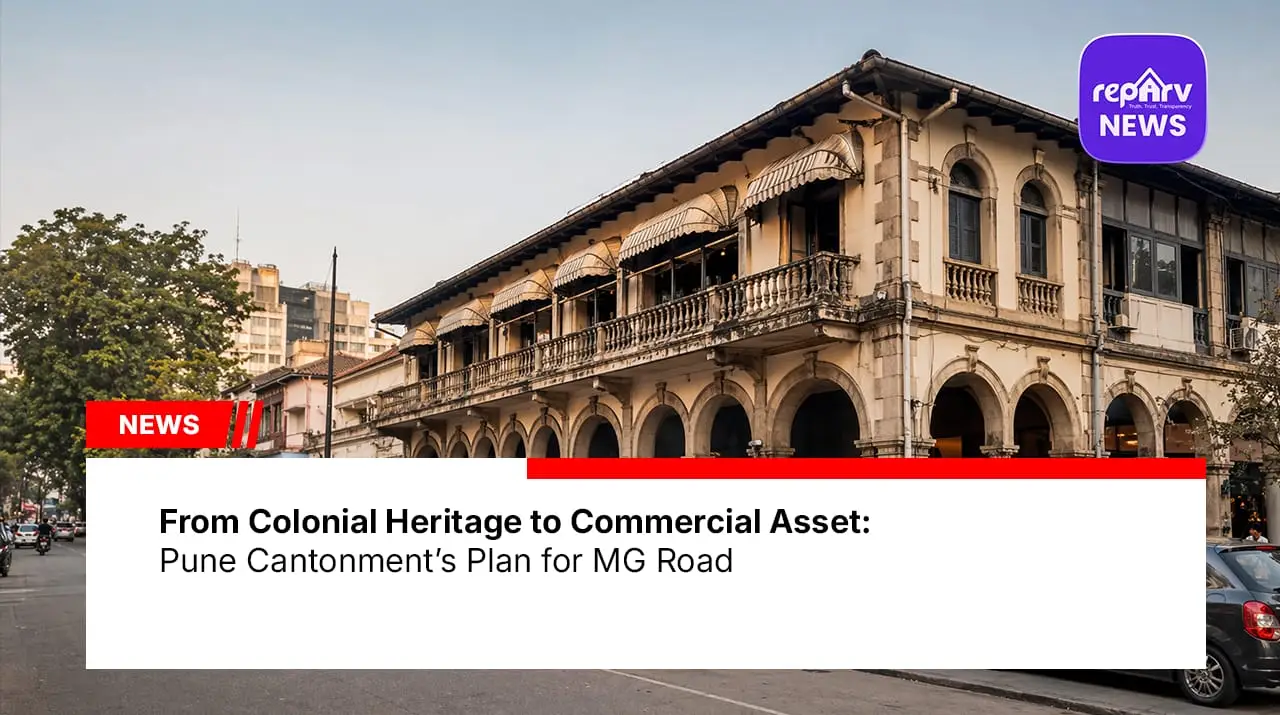
The Pune Cantonment Board (PCB) is embarking on a significant transformation of its real estate assets as it grapples with a deepening fiscal crisis. In a strategic move to unlock dormant value, the board has proposed a commercial makeover for its historic, 120-year-old headquarters located on the iconic MG Road. This initiative is aimed at addressing the severe gap between the board's limited revenue streams and its ballooning operational expenses. By repurposing this colonial-era structure into a modern commercial complex, the administration hopes to create a consistent, long-term source of revenue that can sustain essential civic services and infrastructure maintenance.
The Legacy of the MG Road Landmark
The property in question is more than just a piece of real estate; it is a monument of colonial history. The two-storey building served as the administrative heart of the Pune Cantonment Board until 1988, after which it transitioned into a Cantonment Court. Following the relocation of the court to a new facility in June 2024, the structure has remained vacant and largely inaccessible, becoming a deteriorating landmark in one of Pune’s most premium retail corridors. Despite its prime location, the building has sat idle for nearly two years, a situation that critics and activists have long pointed to as a missed opportunity for the cash-strapped board. A structural audit conducted in 2017 had previously declared the building unsafe, prompting calls for its redevelopment rather than continued, costly maintenance.
Bridging the Revenue Gap
The urgency for this commercialization is underscored by the PCB's fragile financial health. Current reports indicate that the board generates approximately ₹3 to ₹3.5 crore per month, while its mandatory monthly expenses hover around ₹12 crore. Unlike municipal corporations that often benefit from diverse tax streams, cantonment boards are heavily dependent on property taxes and grants from the Ministry of Defence. As these grants fluctuate and the cost of maintaining public infrastructure rises, the board is under immense pressure to find self-sustaining models. PCB officials emphasize that the board cannot survive on its current fiscal path without creating its own revenue generation sources. By tapping into the high footfall and commercial potential of MG Road, the board aims to bridge this widening deficit and secure financial autonomy.
Navigating Approvals and Future Development
The proposal for this commercial transition is currently moving through the necessary administrative channels. According to Vidyadhar Pawar, Chief Executive Officer of the PCB, the board has initiated the process for a "change of purpose" for the property. The proposal has been submitted to the Principal Directorate, Southern Command, which will subsequently forward it to the Directorate General of Defence Estates (DGDE) in New Delhi for final approval. Once the green light is received, the board intends to explore various revenue-generative models, potentially partnering with private developers to modernize the site. The move has found cautious support from former board members and activists who argue that the board must prioritize the efficient management of its assets over the sentimental preservation of a structure that is neither utilized nor structurally viable.
The Broader Significance for Cantonment Boards
This plan reflects a wider trend among cantonment boards across India that are increasingly looking to unlock the commercial potential of their legacy properties. Faced with modern urban challenges and shrinking financial resources, these historically governed zones are being forced to innovate. The transformation of the MG Road property serves as a test case for how defence-administered areas can adapt to contemporary economic demands without compromising their strategic oversight. For the citizens and business owners on MG Road, this development promises a potential injection of new economic activity. As the proposal awaits a final decision from the defence estates department, the eyes of the city are fixed on whether this historic site will successfully transition from a crumbling symbol of the past into a vibrant engine of the cantonment's future.






.webp)
.webp)
.webp)


.webp)




.webp)
.webp)
.webp)
.webp)













.webp)
.webp)


.webp)

.webp)
.webp)
.webp)
.webp)
.webp)
.webp)
.webp)

































.jpeg)