

A New Chapter for Property Transactions in Maharashtra
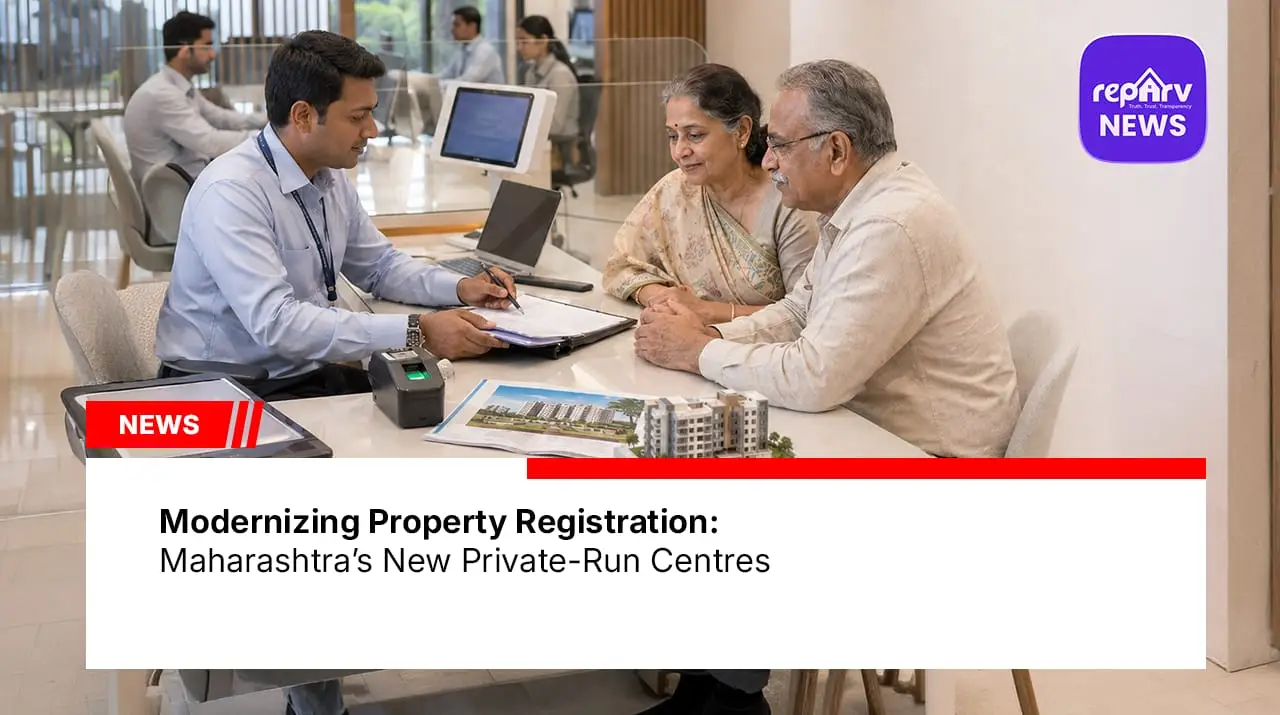
The property registration landscape in Maharashtra is preparing for a significant operational shift this summer. Beginning in July 2026, the state government plans to initiate the rollout of 60 privately managed property registration centres designed to streamline the document registration process and alleviate the intense pressure on existing government facilities. This strategic move aims to transform the often-tedious experience of registering real estate assets into a more efficient, customer-friendly service, drawing inspiration from the well-regarded Passport Seva Kendra model that has successfully improved efficiency in other government-to-citizen sectors.
The Hybrid Operational Model Explained
At the core of this initiative is a hybrid management structure that seeks to balance administrative efficiency with legal accountability. While private firms will take responsibility for the physical infrastructure—including providing modern seating, digital service counters, and support staff—the crucial legal work will remain firmly under government control. State-appointed sub-registrars and clerks will continue to oversee the verification, admission, and finalization of legal deeds, ensuring that the integrity of the land registry remains uncompromised. By delegating the non-legal "front-end" tasks to private operators, the state hopes to eliminate the long wait times and facility deficiencies that have long plagued its network of over 500 traditional sub-registrar offices.
Phased Rollout and Geographic Focus
The government has devised a three-phase deployment plan to ensure operational stability and scalability. The first phase, scheduled to launch in July, will see the inauguration of five high-capacity centres situated in key urban markets including Mumbai, Pune, Thane, and Nagpur. These cities have been prioritized due to their consistently high volumes of real estate transactions and the resulting demand for modernized registration infrastructure. Following the initial launch, the second phase will introduce another 25 centres across high-density regions, including the Mumbai Metropolitan Region, Nashik, and Chhatrapati Sambhajinagar, within the subsequent nine months. The final 30 facilities will be distributed across the remaining districts in the third phase, aiming for comprehensive state-wide coverage.
Cost, Convenience, and the Public Debate
While the promise of a comfortable and faster registration experience is a welcome prospect for many, the project has also sparked a nuanced debate regarding accessibility and cost. These private centres will be permitted to levy an additional service charge—expected to be capped at approximately ₹5,200 to ₹6,000 per document—over and above the standard government registration fees. This "premium" service model has drawn criticism from various citizen groups and activists who argue that the government’s immediate priority should be the structural and infrastructural upgrading of the existing 517 government-run offices. Many of these traditional offices currently struggle with basic amenities like adequate seating, drinking water, and functional restrooms. Critics contend that by introducing a two-tiered system where convenience is linked to extra costs, the administration risks sidelining the majority of the population who rely on the more affordable, albeit currently outdated, public infrastructure.
Balancing Efficiency with Equity
Government officials maintain that these new centres are intended to augment, rather than replace, the traditional system. The goal is to provide a service choice for those who value speed and comfort, particularly in the bustling urban centers where time-sensitive property transactions are common. As the July deadline approaches, the success of this initiative will be measured by whether it genuinely alleviates the systemic backlog that has hindered real estate momentum in Maharashtra. For prospective home buyers and investors, the coming months will be a test of whether this private-public partnership can deliver on its promise of a seamless registration experience while navigating the challenges of public service equity and long-term sustainability in the state’s vibrant real estate market.






.webp)
.webp)
.webp)

.webp)


.webp)
.webp)
.webp)
.webp)









.webp)
.webp)

.webp)
.webp)
.webp)
.webp)
.webp)
.webp)
.webp)
.webp)



























.jpeg)