

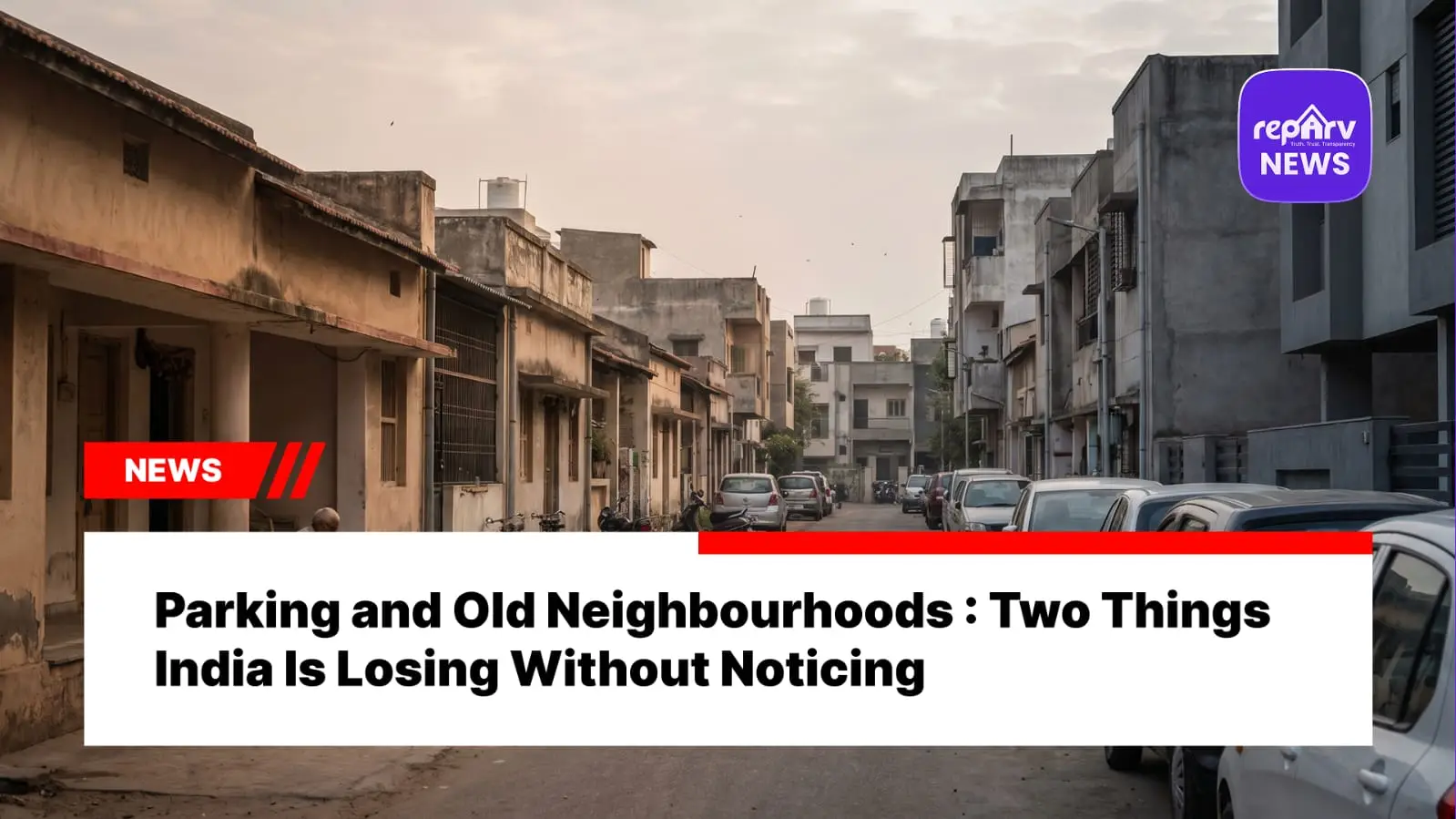
My uncle lives in a lane in Old Delhi. Not the touristy part where everyone clicks photos of havelis the actual residential part where families have been living for four or five generations. Every time I visit, we spend at least twenty minutes just looking for a place to park the car. And honestly, half the time we just give up and park somewhere illegal and hope for the best.
That's kind of the thing about Indian cities now. We talk so much about housing prices, about how a flat in Mumbai or Bengaluru costs more than most people will earn in their lifetime. But quietly, right next to that problem, there's this other crisis that nobody really talks about as seriously parking, Or the total lack of it.
Think about it. When most of these older neighbourhoods were built whether in Delhi, Pune, Kolkata, wherever nobody was planning for cars. Maybe a scooter, maybe a cycle. The lanes were made for people and cattle carts, not for the kind of traffic we have now. But cities grew, more people bought cars (because public transport is still a gamble in most places), and suddenly you have a narrow lane from 1950 trying to handle a 2024 traffic situation. It doesn't work. Of course it doesn't work.
In newer housing societies, parking is a selling point now. Builders literally advertise "2 covered parking spots" like it's a luxury feature. In some cities, a dedicated parking space in a good location costs lakhs of rupees. We're talking about a piece of concrete floor. A rectangle Lakhs of rupees. That tells you everything about how bad this has gotten.
And it's not just annoying, It has a real effect on property prices. A flat with guaranteed parking is genuinely more valuable than a flat without. Residents' Welfare Associations in cities like Hyderabad and Chennai fight constantly over parking spots. People put bricks and flower pots to "reserve" street spots that don't even belong to them. It's become this weird informal system where everyone's slightly aggressive and nobody's technically wrong but nobody's technically right either.
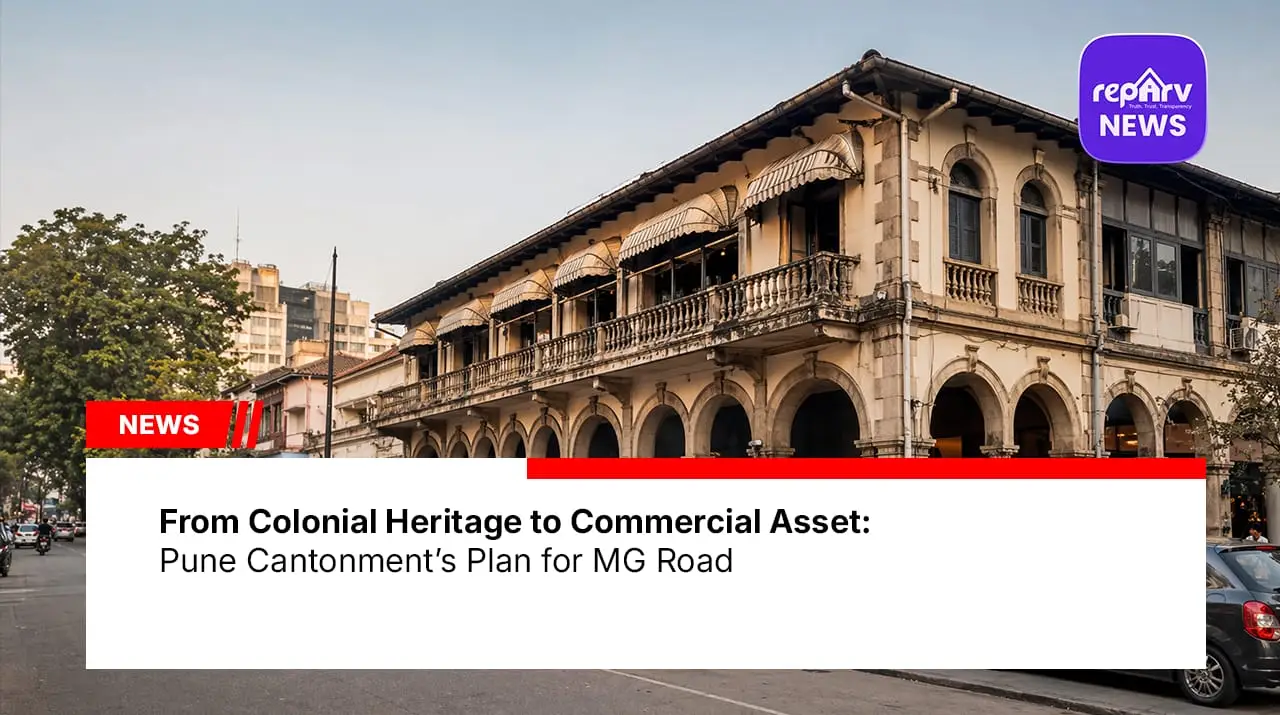
Now, the other thing happening at the same time and these two things are connected, actually is what's happening to older neighbourhoods across India. The same areas that can't handle parking are also the areas where people have started looking at the land and thinking, "well, why not just demolish this and build a high-rise?"
And it's not always greedy builders doing this for evil reasons. Sometimes families themselves sell because they're offered crores for a house that costs them lakhs every year to maintain. Sometimes the government acquires the land for "development." Sometimes the old building just becomes unsafe and there's no money to restore it. The result is the same something that was there for a hundred years is gone in a few months, and what comes up instead is a nine-storey apartment block that looks exactly like every other nine-storey apartment block.
What gets lost isn't just architecture. It's the community that lived around that place. The old pan shop at the corner. The family that's been doing laundry for the whole lane for decades. The small temple that's more of a meeting point than a religious place. These things don't make it into any developer's brochure, but they're what made the neighbourhood actually feel like a neighbourhood.
Tenants, small business owners, and those who could afford to rent previously, are the ones who are losing out due to gentrification.
I am not opposed to developing as cities need to expand; however, there is a big difference between an expansion and a demolition and the difference is one thing - what’s left when you erase something is newer, it is typically not better and after spending six figures on a covered parking stall and high monthly mortgage payments - you will never get your money back for your nice new home.
The parking challenge and destroying historic places in a community are actually two issues that share many similarities. We fail to do a proper job of planning; now we suffer the consequences for that inadequate planning.


.webp)
.webp)
.webp)
.webp)

.webp)
.webp)
.webp)
.webp)










.webp)
.webp)

.webp)

.webp)
.webp)
.webp)
.webp)
.webp)
.webp)
.webp)



























.jpeg)