

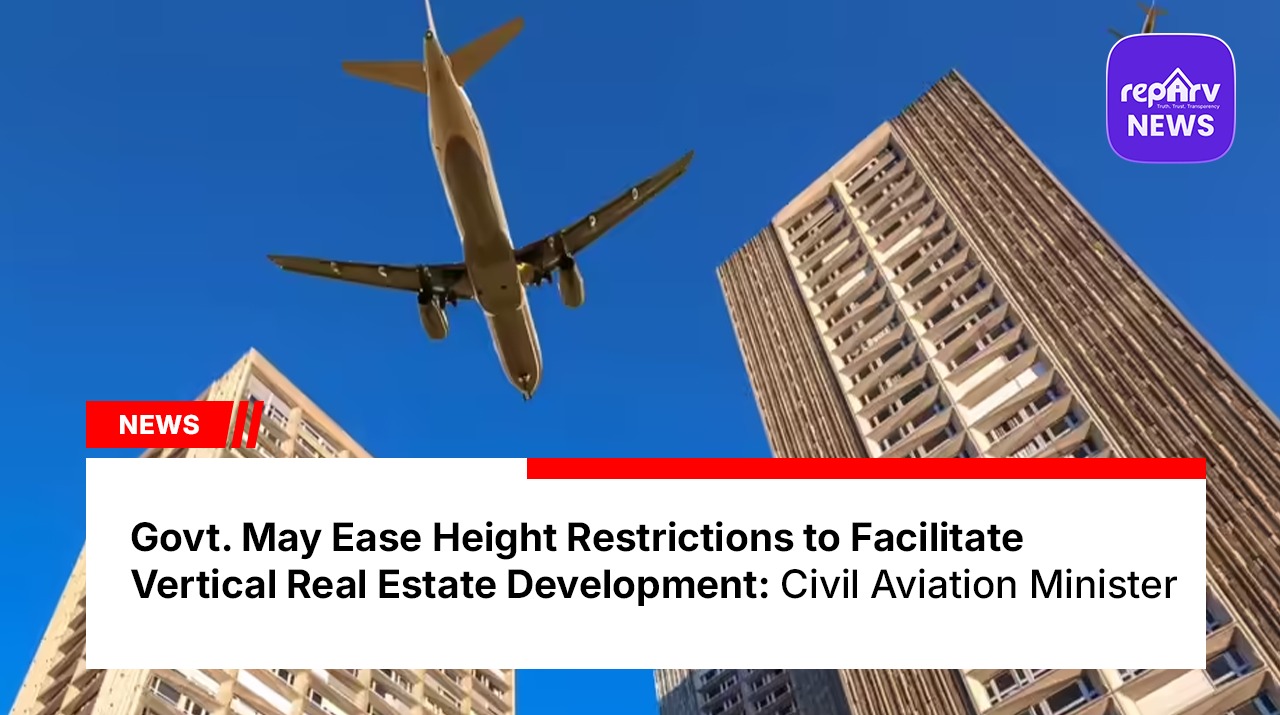
The Union government is considering easing building height restrictions across Indian cities in a move that could dramatically change the face of the country’s urban landscape and provide much-needed impetus to the real estate industry. Civil Aviation Minister K. Rammohan Naidu said the Centre has launched a nationwide study to assess existing building height restrictions, especially around airports, to facilitate vertical development without compromising aviation safety.
The news was shared during the National Urban & Real Estate Development Conclave 2026, which took place in New Delhi. While addressing the participants of the conclave, Naidu admitted that the lack of horizontal land in large cities has gradually become a challenge for developers. However, he also stated that vertical expansion would be the need of the hour to cater to the growing population in urban areas.
At present, the height of buildings near airports is regulated by strict aviation safety standards. Buildings that fall within the obstacle limitation surfaces need to obtain permission to avoid any potential hazards to aircraft. The aviation department enforces these rules to ensure the safety of flights during takeoff, landing, and flight paths. Notably, the developers in large cities have always called for these regulations to impair land use in high-demand locations.
Naidu said that the government has consulted international aviation experts to determine whether technology development and new regulatory frameworks can enable flexibility without impacting the safety of passengers. The minister said that the review entails the evaluation of global best practices and the assessment of new navigation and surveillance technologies that could make it unnecessary to set strict height restrictions in some regions.
The review is taking place at a time when the Indian civil aviation industry is growing at a fast pace. The government has announced that it will develop new airports to the tune of 50 in the next five years, which will improve connectivity between tier-2 and tier-3 cities. New airports and greenfield airports are being developed at a fast pace, and it is expected that the development patterns around airports will change.
Industry estimates shared during the conclave indicate that the real estate industry in India is likely to reach a scale of $1 trillion by 2030 and beyond into the decades preceding 2047. The government believes that the development of infrastructure like airports, roads, and metro rails is a major catalyst in the growth of the real estate industry. The minister further states that the development of airports generates a multiplier effect in terms of demand for residential, commercial, hospitality, and logistics development in the area.
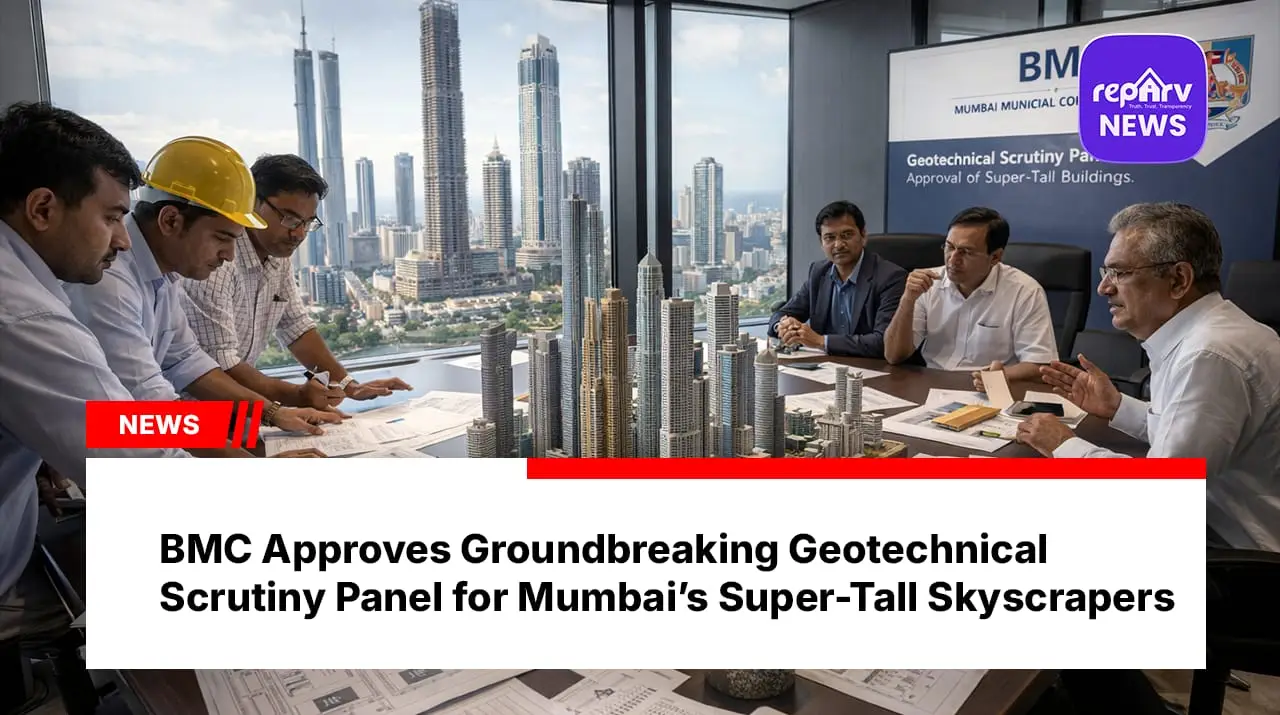
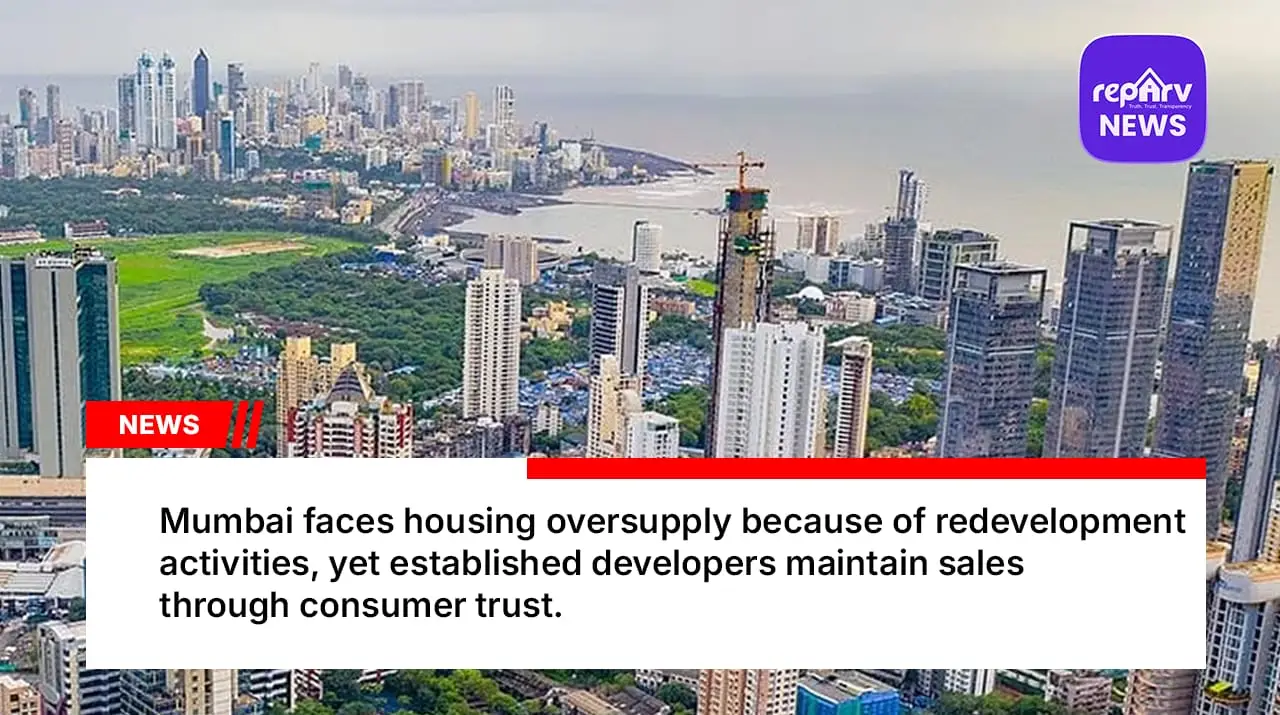
Large cities like Mumbai, Hyderabad, Kolkata, and Chennai are likely to attract attention if changes in the regulatory framework are proposed. In cities like Mumbai, where land is a scarce resource and redevelopment projects are at the forefront of the residential supply chain, vertical construction has been the primary driver to meet demand. A major shift in height regulations in aviation-influenced areas is likely to have a major bearing on the economics of redevelopment projects.
However, safety will continue to be a priority, according to officials. The minister explained that the current study is not intended to water down aviation security but is instead intended to investigate whether current technology can be used to inform more intelligent regulation. Improvements in radar technology, satellite navigation, and digital air traffic control could offer the potential for more intelligent regulation of height clearance.
Real estate companies and trade associations welcomed the news with caution, terming it a progressive move that recognizes the reality of Indian cities. They made it clear that clear guidelines and a stable regulatory environment would be necessary to ensure that investors remain confident. Delays in height clearance have been identified as a bottleneck that has increased the time and cost of projects by real estate companies.
Urban planners also consider the proposed shift in policy as part of a larger discussion regarding sustainable urban expansion. In view of the challenges that Indian cities are currently facing, such as congestion, saturation of infrastructure, and deterioration of the environment, high-rise buildings are considered a solution to control the expansion of cities and conserve the peripheral land. Higher-density development, if accompanied by sufficient civic infrastructure, may enhance land use efficiency and minimize commute distances.
The implementation timeline for any changes is still in flux, as the government is waiting for the results of the current study. Once the results are in, proposals may be put forward for changes to the regulations after consultation with the aviation and urban development authorities.
At present, the trends suggest that the Centre is prepared to re-examine the well-established regulatory framework in view of the emerging economic and demographic realities. As India progresses further with its commitment to achieve its infrastructure and housing sector goals, the interface between aviation safety and high-rise development in urban areas is set to be in focus in the months to come.





.webp)
.webp)
.webp)

.webp)



.webp)
.webp)
.webp)
.webp)













.webp)
.webp)


.webp)

.webp)
.webp)
.webp)
.webp)
.webp)
.webp)
.webp)




























.jpeg)