

.webp)
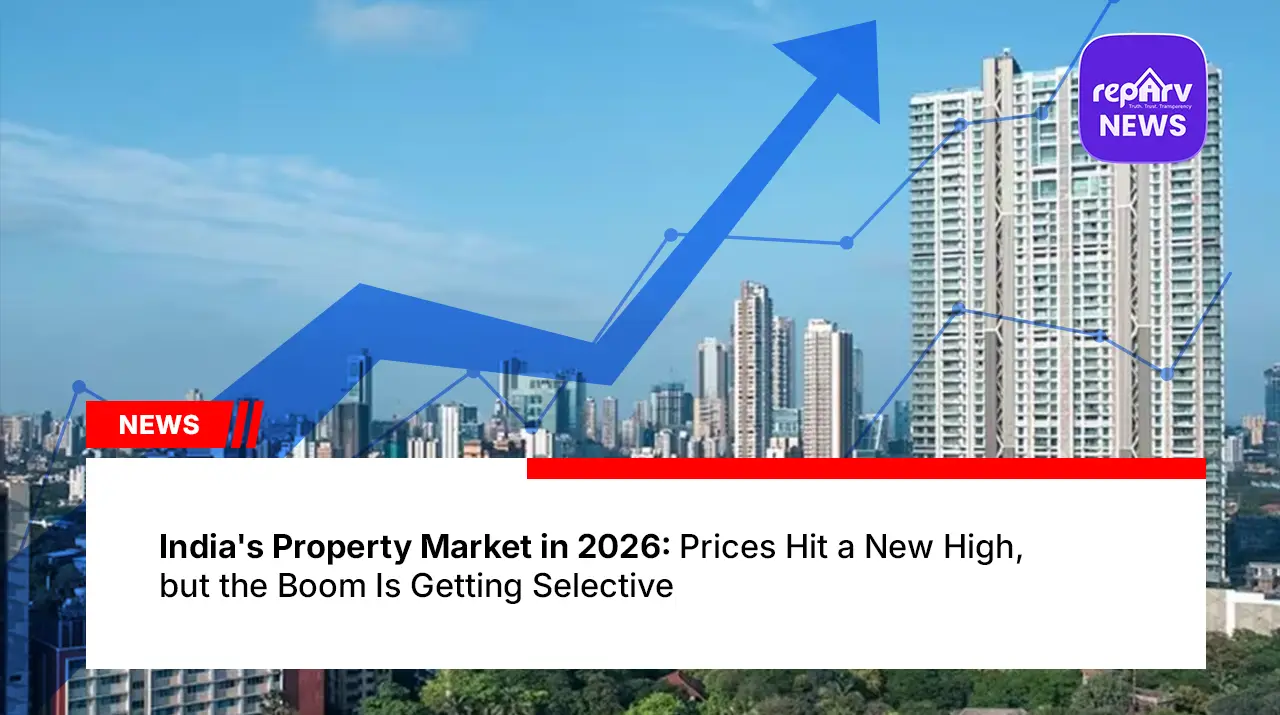
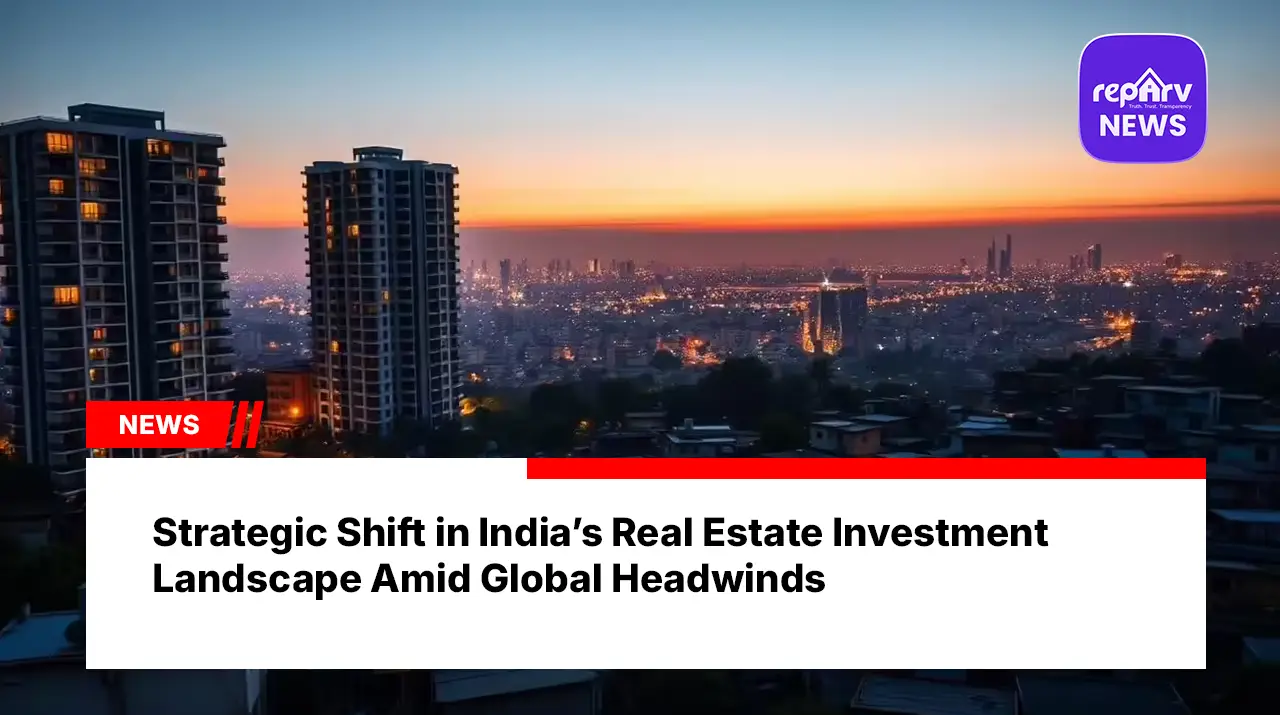
Something is quietly shifting in the way Indians think about where they want to live. For decades, the dream was simple and almost universal mostly wanted to move to Mumbai, Delhi, or Bengaluru, find a good job, rent a decent flat, and build a life in the big city. That dream has not disappeared. But in 2026, a growing number of Indians are beginning to rewrite it . Smaller cities are no longer the backup plan For many people today, it has become their first choice.
The Metro Dream Is Getting Too Expensive to Afford
The numbers tell us a very straightforward story. Property prices in India's major metros have risen so sharply over the past three to four years that buying a home in cities like Mumbai or Delhi has gotten completely out of reach for the average middle class family. Renting is also not better as we have seen, urban professionals are already spending nearly half their monthly salary just to keep a roof over their head.
According to a report by real estate consultancy Square Yards, affordability across India's seven major cities has been badly impacted by a significant price rally between 2022 and 2024, further worsened by limited new supply of affordable and mid-income homes. When a city stops being affordable, people start looking elsewhere. And that is exactly what is happening.
Smaller Cities Are Quietly Transforming
What is interesting to realise about this change the people migrating from the villages are not going to the same places they would have gone to just over five years ago. In addition to new roads, metro rail lines under construction, hospitals being built, new schools, and commercial areas growing fast, these cities have changed so much over the years that they are much more attractive places to live than they used to be.
Government initiatives such as the Smart Cities Mission and AMRUT have helped significantly in developing better infrastructure in these areas highways, expressways, and digital networks have greatly improved connectivity and have significantly improved these cities economically, when in the past, they would not have met any of these criteria.
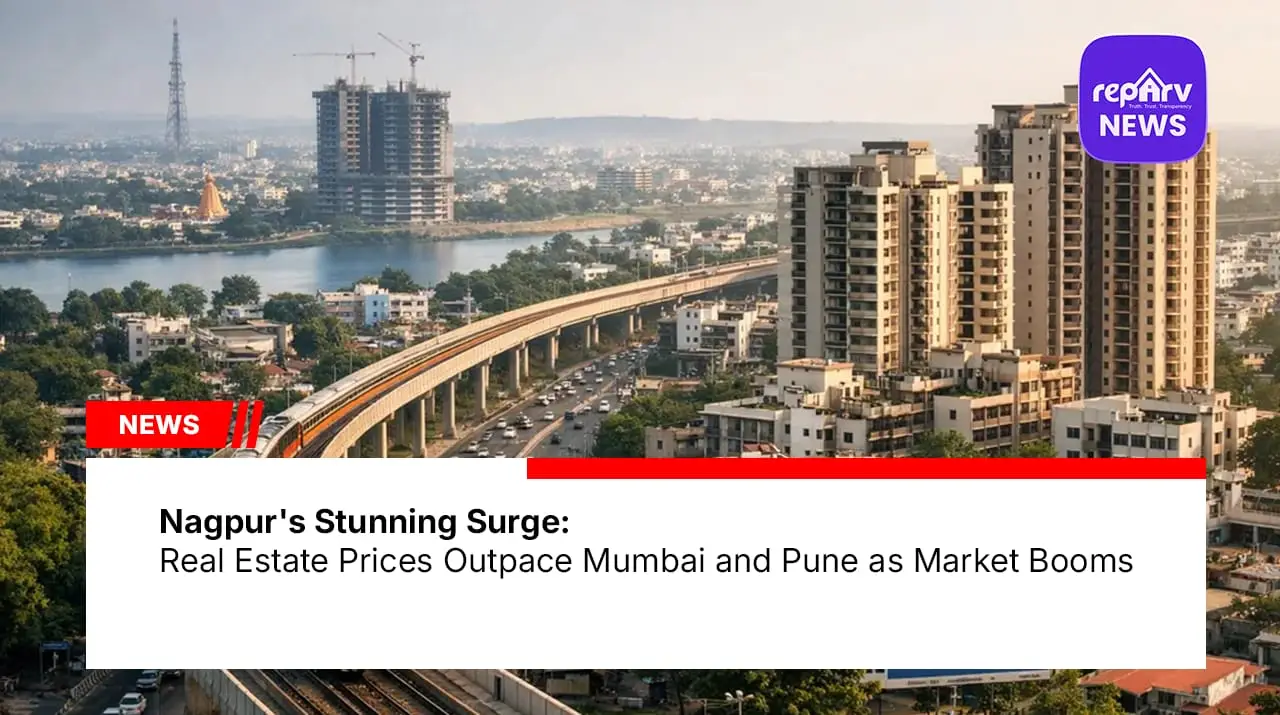
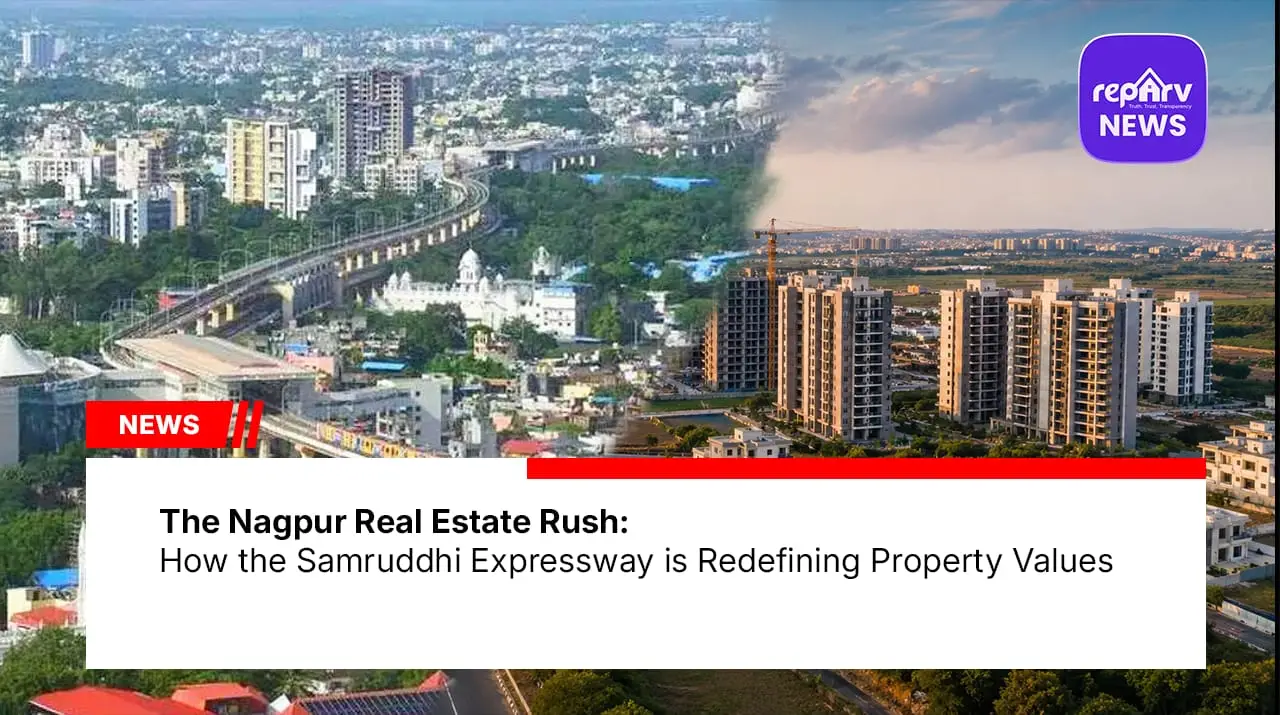
Jobs are following people non-metro areas are becoming increasingly important as formal job creation centres, with Tier 3 cities now accounting for 40 percent of new job creation, and Tier 2 cities accounting for another 29 percent, all driven by the IT sector, manufacturing sector and logistics.
The Generation Making the Move
Perhaps the most interesting part of this story is who is leading it. It is not retirees looking for a quieter life. It is young Indians Gen Z professionals and millennials in their late twenties and early thirties who are making this choice deliberately and confidently.
Younger buyers are increasingly viewing Tier-2 and Tier-3 cities as genuine opportunities rather than compromises, drawn by better affordability, infrastructure growth, and an improved quality of life that metros are increasingly failing to offer.
The hybrid and remote work culture that took root after the pandemic has given this generation something previous ones never had the freedom to choose where they live without sacrificing their career. And many of them are choosing peace, space, and affordability over prestige and chaos.
What Homebuyers Are Actually Getting
The value proposition of small cities is difficult to dispute. With what you could rent a small and cramped one-bedroom apartment in an outlying area of Bangalore for, you could actually purchase a new home with three bedrooms, very significant amount of living space along with modern conveniences in cities like Indore or Coimbatore. In essence, the same amount of money goes much further in small cities compared to large metropolitan areas.
As people's salaries and wages increase; connectivity improves; and government programs focused on increasing the supply of affordable homes are having an impact, together those three streams of influences have built a very solid base of demand for housing in small cities, particularly among middle income households that are very much interested in becoming homeowners in these markets.
Lastly, beyond the financial argument why small cities are the better option, there is also a lifestyle argument to be made. Commuting less distance; enjoying cleaner air; concerning yourself less with congestion; feeling a greater sense of community; and living a less hurried life all characteristics that have been subtly taken away by living in a metropolitan area over time people are starting to see what have lost by moving away from these realities and are choosing to try and reclaim their real lives by choosing to move back to those types of circumstances.
A Shift That Is Only Getting Bigger
This is more than just a short-term fad as people deal with the stress associated with the pandemic. Cities such as Bhubaneswar, Varanasi, Visakhapatnam and Erode are poised to lead the next wave of growth in India's housing market due to improved infrastructure, increased connectivity and a strong governmental emphasis on urbanization outside of India's largest cities.
While India has been experiencing a rapid increase in urbanization, this will now occur in a different manner; instead of the primary source of urbanization occurring within the previous four or five major cities, urbanization will now extend beyond those areas into outlying areas, thereby creating a meaningful opportunity for home buyers, investors and builders to take advantage of.
Although the larger metropolitan cities will continue to attract attention, the smaller cities will have their advantages when making decisions for future construction projects by 2026 compared to those made to build in larger cities.




.webp)
.webp)
.webp)
.webp)
.webp)
.webp)
.webp)












.webp)
.webp)

.webp)
.webp)
.webp)
.webp)
.webp)
.webp)
.webp)
.webp)























.jpeg)