

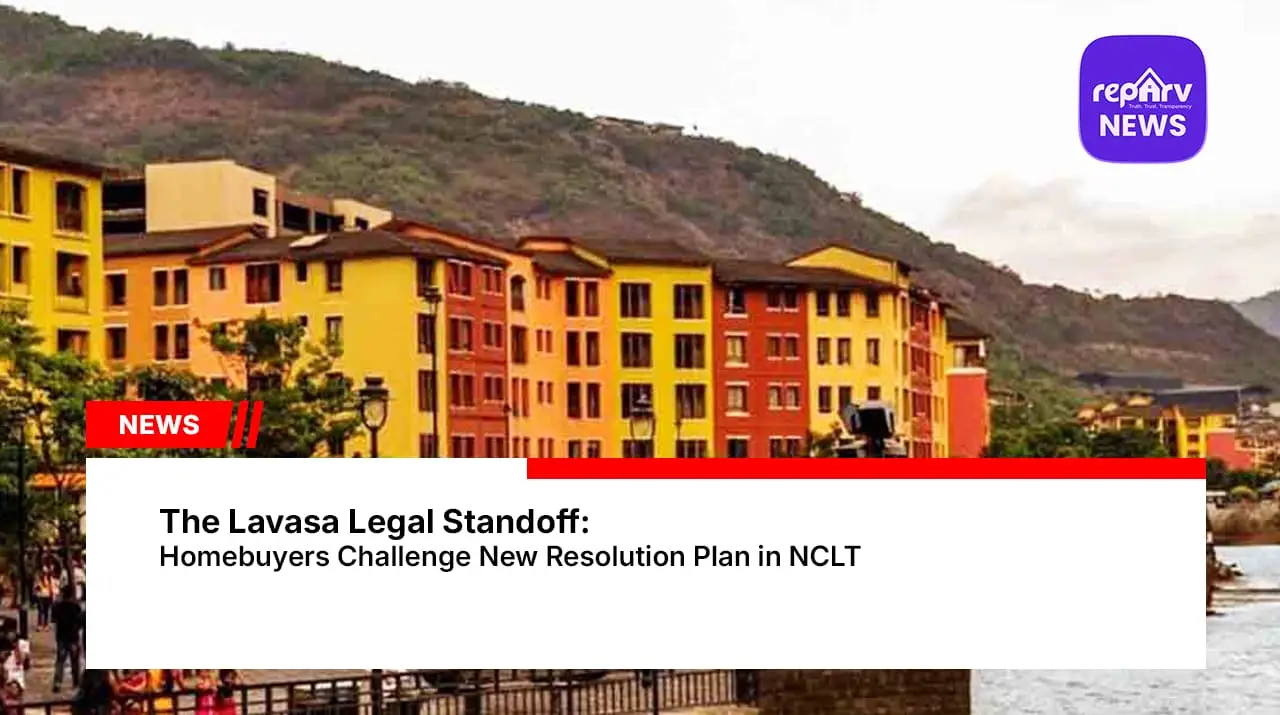
A Fresh Legal Hurdle for the Lavasa Hill City
The long-drawn-out saga of Lavasa Hill City, once envisioned as India’s premier privately built township, has returned to the spotlight following a significant legal move by its aggrieved residents. Homebuyers have formally filed a fresh plea at the National Company Law Tribunal (NCLT), challenging the current insolvency resolution plan submitted by the Welspun Group and Ashdan Properties consortium. This latest development marks a critical juncture in a case that has come to symbolize the complexities of applying corporate insolvency frameworks to large-scale, city-sized real estate projects. For the hundreds of families who invested their life savings into this dream project, the appeal is a desperate attempt to ensure their interests are not sidelined in the race to liquidate assets and settle corporate debts.
Unpacking the Homebuyer Grievances
At the heart of the homebuyers' latest petition, which reportedly spans nearly one hundred pages, lies a list of serious allegations regarding the fairness and procedural integrity of the ongoing insolvency resolution process. The petitioners argue that the proposed plan by the Welspun-Ashdan consortium contains significant infirmities, specifically alleging discriminatory treatment of individual homebuyers compared to other financial creditors. Furthermore, they have highlighted an alarming lack of transparency, claiming that the committee meetings failed to adequately address the objections raised by residents. The appeal also takes issue with what the buyers describe as arbitrary financial burdens imposed by the new consortium and the prospective alteration of material terms that were originally part of their purchase agreements. By seeking the appellate tribunal’s intervention, these homebuyers are attempting to block the approval of the current plan until these fundamental concerns are rectified.
A Legacy of Failed Resolutions
The urgency of this current legal challenge is deeply rooted in the traumatic history of the Lavasa Corporation Limited insolvency. The project, which entered formal bankruptcy proceedings in 2018, has seen multiple failed attempts at revival, leading to a state of perpetual uncertainty. Most notably, the previous successful resolution applicant, Darwin Platform Infrastructure Ltd, failed to implement the plan it had committed to, leading to a collapse of the process and a revival of the insolvency proceedings in September 2024. This history of broken promises and non-compliance has left the residents wary of any new "successful" bidder. The current apprehension is not just about the terms of the Welspun-Ashdan plan, but a broader fear that the corporate insolvency mechanism is being executed without enough regard for the actual habitability and infrastructural continuity that the residents rely on.
The Human Cost of Corporate Insolvency
While legal professionals and financial institutions dissect the debt restructuring, the reality for Lavasa homebuyers remains starkly different. The project, which was meant to be a modern residential retreat, has spent years as a skeleton of its original concept. Many investors have been trapped in a state of financial limbo, paying home loan EMIs for properties that remain unfinished, while concurrently managing the costs of renting elsewhere. The buyers' demand for a 12% annual interest on their refunds serves as a testament to the financial strain they have endured. This case brings into sharp focus the inherent tension within the Insolvency and Bankruptcy Code (IBC): the difficulty of balancing the commercial wisdom of the Committee of Creditors with the fundamental rights of retail participants who find themselves caught in a high-stakes corporate failure.
Implications for Future Real Estate Insolvency
The outcome of this challenge will likely have lasting implications for how similar large-scale residential projects are handled by the Indian judiciary. Lavasa represents a jurisprudential outlier; it is not a standard corporate entity but a city-scale project with a diverse array of stakeholders. If the appellate tribunal sides with the homebuyers, it could set a critical precedent, mandating greater transparency and protecting retail investors in future bankruptcy cases. Conversely, if the current resolution plan proceeds without addressing these grievances, it may signal that the legal framework prioritizes debt resolution over the tangible needs of the end-users. As the tribunal prepares to review the fresh plea, all eyes remain on whether the court will prioritize the interests of homebuyers or proceed with the institutional mandate of debt settlement.
The Path to Resolution
As of April 2026, the situation remains fluid and highly litigious. The consortium led by the Welspun Group faces the difficult task of not only securing the financial viability of the project but also winning the trust of a community that has been disillusioned by years of delays and failed revival bids. With the total project debt hovering near ₹6,642 crore, the stakes are undeniably high for all involved parties. Whether this latest intervention by the homebuyers leads to a fairer, more transparent settlement or merely adds another layer of delay to the Lavasa resolution process remains to be seen. For now, the hill city’s future hangs in the balance, caught between the rigid structures of insolvency law and the very human need for justice and closure.






.webp)
.webp)
.webp)

.webp)

.webp)
.webp)
.webp)
.webp)






.webp)
.webp)

.webp)
.webp)
.webp)
.webp)
.webp)
.webp)
.webp)
.webp)


















.jpeg)