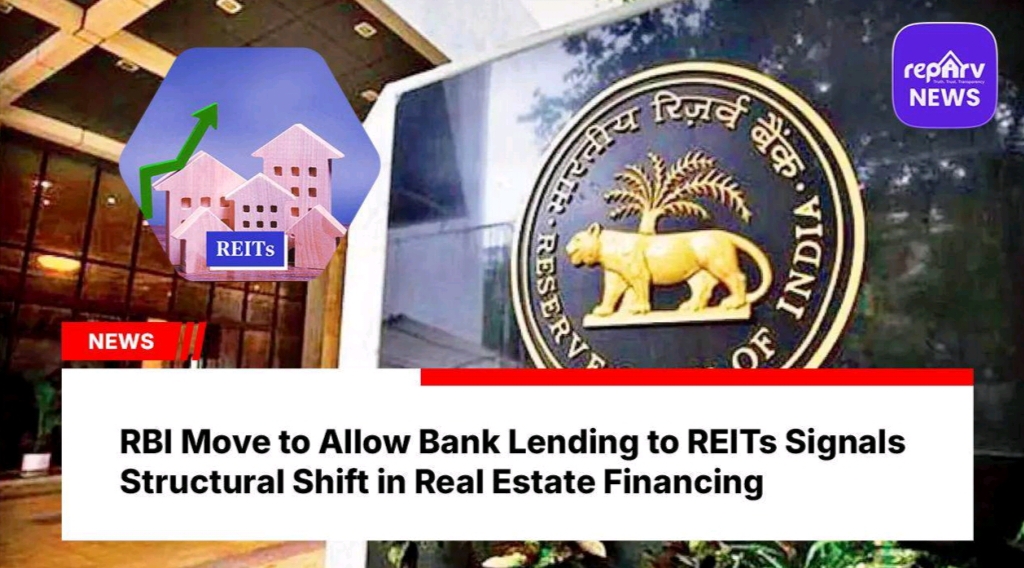



The Evolution of Broker Accountability Under RERA 2026
The Indian real estate industry got its first transparent framework with the introduction of the Real Estate (Regulation and Development) Act 2016, which will be granted greater authority over intermediary activities in 2026. RERA has established dual responsibilities for real estate developers under Chapter VIII, requiring them to fulfil their obligations toward both buyers and associated stakeholders. With the introduction of "RERA 2.0," brokers will no longer act merely as facilitators; instead, they function as professional entities and are required to follow all the legal regulations since their work has a direct impact on the safety of homebuyers and the overall trustworthiness of the industry.
Mandatory Registration and Professional Standards
The foundation of this regulatory framework is Sections 9 and 10 of the RERA Act, which clearly mandate every real estate agent to register with their respective state regulatory bodies. Operating without an RERA registration number is now considered a serious offence. Apart from registration, brokers are legally bound to maintain a high degree of record-keeping, abstain from all forms of unfair trade practices, and ensure that all information provided to potential buyers is completely accurate. With digital integration into RERA in 2026, discrepancies in information provided by brokers will be identified within a matter of seconds, drawing immediate regulatory attention.
Financial Consequences: Penalties for Non-Registration
The financial cost for conducting business "under the radar" has become too high to sustain in 2026. According to Section 62 of the RERA Act, brokers found facilitating transactions in registered projects will face a fine of Rs. 10,000 per day for the duration of the default. More alarming is the provision for penalties for non-registration, which can be as high as 5% of the cost of the property involved in the transaction. These are termed "hefty fines" and are intended to act as a strong disincentive for all brokers to become registered and accountable for their actions within the Indian market.
Ensuring Compliance with Authority and Tribunal Orders
Regulatory compliance is not limited to the initial registration. Brokers failing to comply with orders issued by the RERA Authority will have to pay an additional penalty, which can be up to 5% of the estimated cost of the property. However, the harshest punishments have been reserved for those brokers who violate the orders issued by the Appellate Tribunal. Brokers who violate these orders will be liable to a jail sentence of up to one year, a penalty of up to 10% of the cost, or both, according to Section 66. This is another indication that the government is treating this with the same gravity as other major financial crimes.
Transparency and Revocation of Registration
In the event of proven fraud or continued violations, the RERA authorities in 2026 reserve the right to cancel the registration of the broker entirely. The cancellation of registration effectively ends a broker’s professional operations, ensuring that the unscrupulous elements in the system are weeded out. The focus of RERA 2.0 has been on quicker grievance redressal. This means the complaints against brokers are being addressed at an unprecedented rate. This additional security measure benefits not just the buyer but the honest developer as well. They can now work with the broker, knowing that a robust legal system is in place that ensures everyone operates at the highest level of accountability and transparency.
Conclusion: The Path to a Professional Brokerage Culture
The introduction and enforcement of strict penalties in 2026 demonstrate that the unregulated operation of "middlemen" within the Indian real estate market has reached its conclusion. The law has brought balance to the system by making the penalties for the broker the same as those for the developer. Although the threat of jail sentences and multi-million rupee fines may appear daunting, it is ultimately in the interests of honest professionals who choose to operate within the parameters of the law. The Indian real estate industry must implement these measures because they establish international standards of professional conduct, giving every participant in the industry complete security, from first-time homebuyers to experienced investors.






.webp)

.webp)
.webp)


.webp)




.webp)
.webp)
.webp)
.webp)
















.webp)
.webp)


.webp)

.webp)
.webp)
.webp)
.webp)
.webp)
.webp)
.webp)

































.jpeg)