

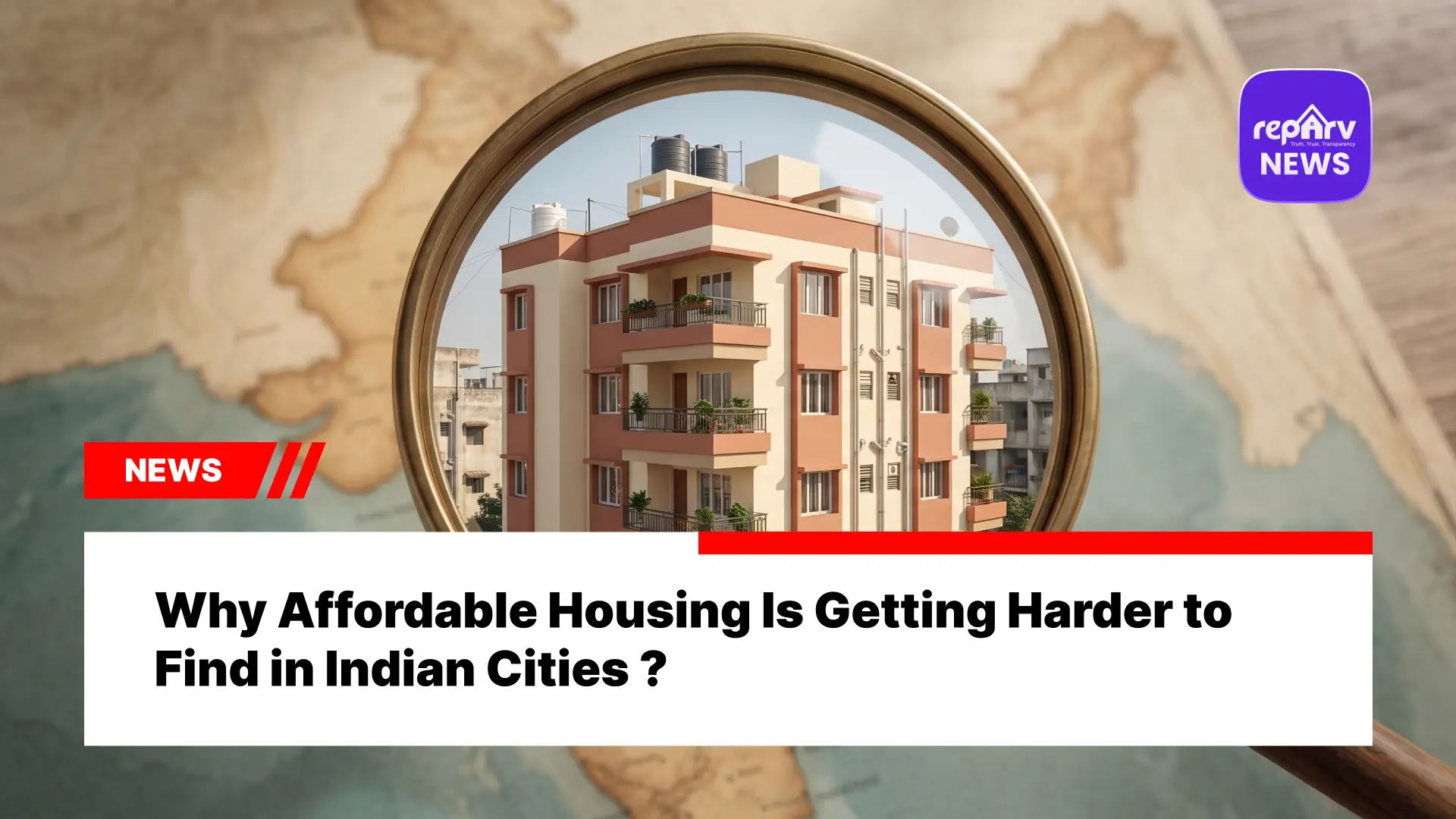
The dream of owning a home was supposed to get easier. Instead, for millions of middle-class Indians, it is slipping further away every year.
Every generation of Indians has been told the same thing, Study hard, Get a good job. Save your money. And one day you will have a home to call your own; It was a promise that felt achievable. Our grandparents fulfilled it, Our parents fulfilled it; But for a large section of Indians trying to buy a home in 2026, that promise is starting to feel like something else entirely ,It is starting to feel like a lie. Not because people are not trying. Not because they are not saving. But because the numbers the actual, real, market numbers have moved so far from where salaries are that the gap between wanting a home and being able to afford one has become almost impossible to bridge.
The Numbers That Tell the Whole Story
From 2020-2024 in India, homes increased in price by 9.3% annually while household income increased only by 5.4%. Please read those two numbers again. Your salary may be increasing, but the home you want to purchase is expanding almost twice as rapidly. As you continue to save, the target keeps moving farther away from you.
The number of homes in the market for purchase that are considered affordable (purchased by median income families) has not only stopped increasing but has completely dropped off.
According to Prop Equity, affordable homes (homes sold for less than ₹1 crore) were reduced by 36% between 2022-2024, from 310,000 units to 200,000 units. There are large differences from city to city regarding affordable supply reductions: Hyderabad was down 69%, Mumbai was down 60% and the Delhi-NCR area was down 45%. Even Pune and Bengaluru, once thought of as steady sources of affordable housing, had 32% and 33% reductions respectively.
Those are staggering statistics, In 2 years, the number of affordable homes to choose from for a middle-class purchaser in India's largest cities decreased by more than 1/3rd of 1! The trend continued into 2025 and 2026.
Why Is This Happening?
The short answer is builders have found something more profitable to build.
Developers are retreating from the affordable housing segment, and the dream of owning a modest home especially for low and mid-income Indians is fast becoming a casualty of real estate market forces.
Luxury housing generates higher margins. A builder who puts up a premium tower in Gurugram or Bandra makes significantly more money per square foot than one who builds an affordable complex in a peripheral area. So when the market allows it and right now, luxury demand is genuinely strong builders naturally gravitate toward the high end.
As developers increasingly focus on luxury housing, the supply of homes in the affordable and mid-income housing category priced at ₹1 crore and below has dropped by 36% over the past two years. The government has recognised this imbalance and experts are urging policy intervention but the market has not corrected itself on its own.
The Middle Class Is Feeling It Most
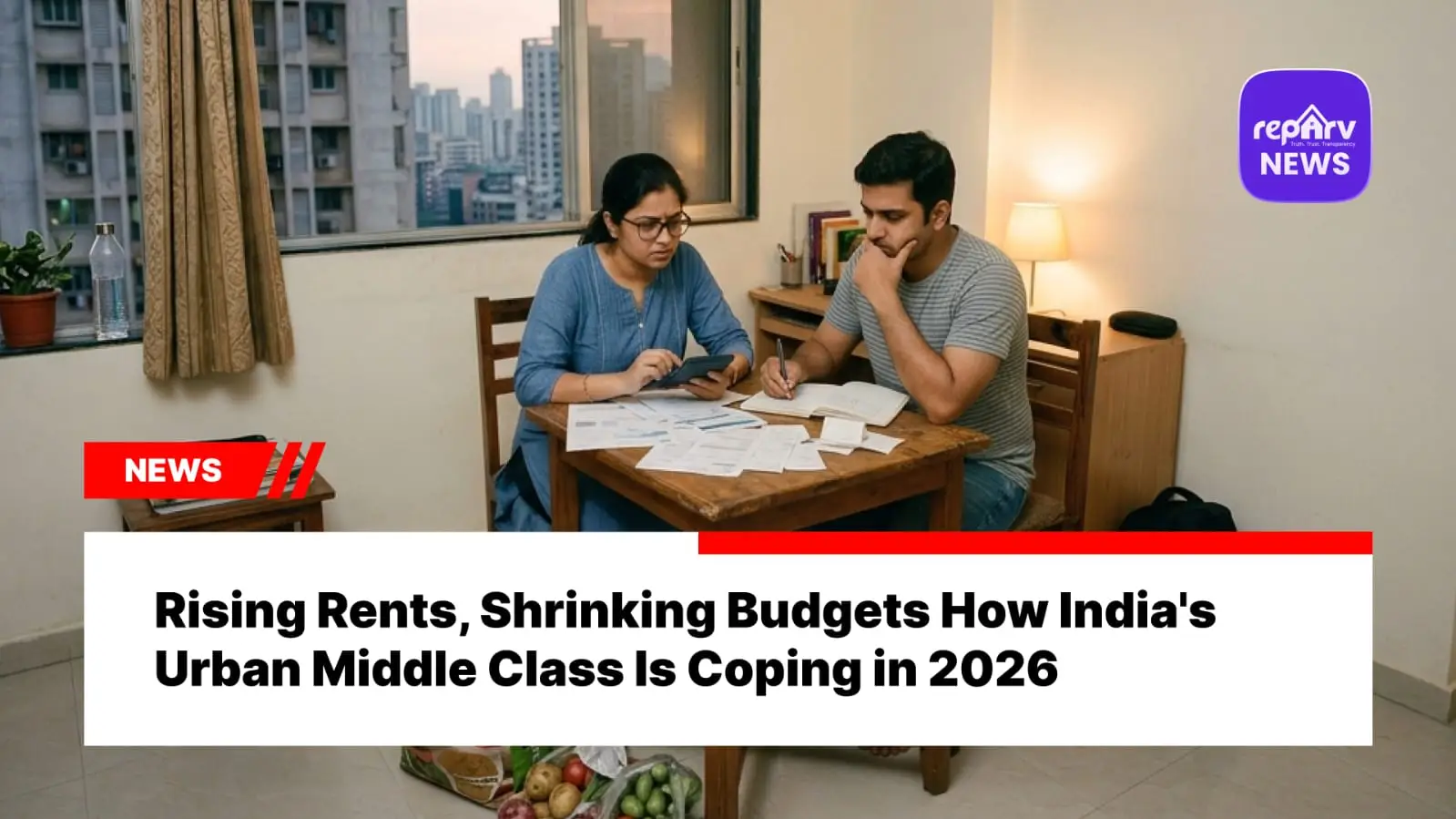
The cost of living for India's middle-class families is effectively doubling every eight years far outpacing income growth for most households. Housing is the sharpest edge of that pressure.
Property prices have increased quickly over the last few years while salaries have not grown at the same pace. Because of this gap, housing affordability has reduced significantly. At the same time, the Reserve Bank of India has kept interest rates higher to control inflation making home loans more expensive. So buyers are now paying more for both the property itself and the loan used to buy it.
The families caught in the middle of all this are not buying luxury homes. They never were. They are the ones looking at a basic 1BHK or 2BHK flat within reasonable distance of their workplace and finding that even those options have either disappeared or jumped to a price point that their EMI simply cannot support.
Cities Where the Crisis Is Most Visible
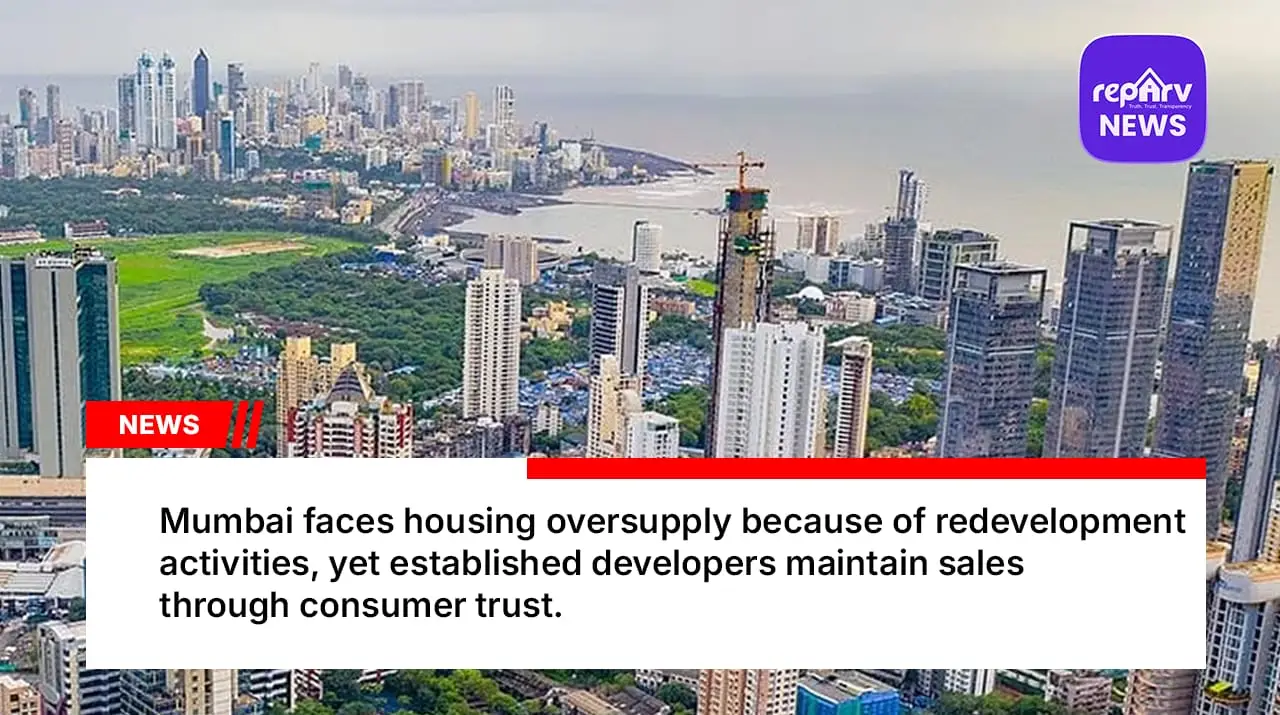
Mumbai has always been expensive that is not new. But what is new is how the middle-market has completely hollowed out even in cities that used to offer options.
Hyderabad was, until recently, one of the most celebrated affordable real estate markets in India. Its combination of a growing IT sector, improving infrastructure, and competitive prices made it genuinely attractive for first-time buyers. But a 69% drop in sub-₹1 crore supply in just two years has fundamentally changed that story.
Pune and Bengaluru long considered safer bets for middle-income buyers have seen sharp declines too. The latest quarterly data from Prop Equity shows that below ₹1 crore housing supply in India's key markets fell by 38% year-on-year from over 60,000 units in the first quarter of 2024 to just 37,653 units in the first quarter of 2025.
These are not abstract statistics. Behind every unit that disappeared from the market is a family that ran out of options.
Is There Any Hope?
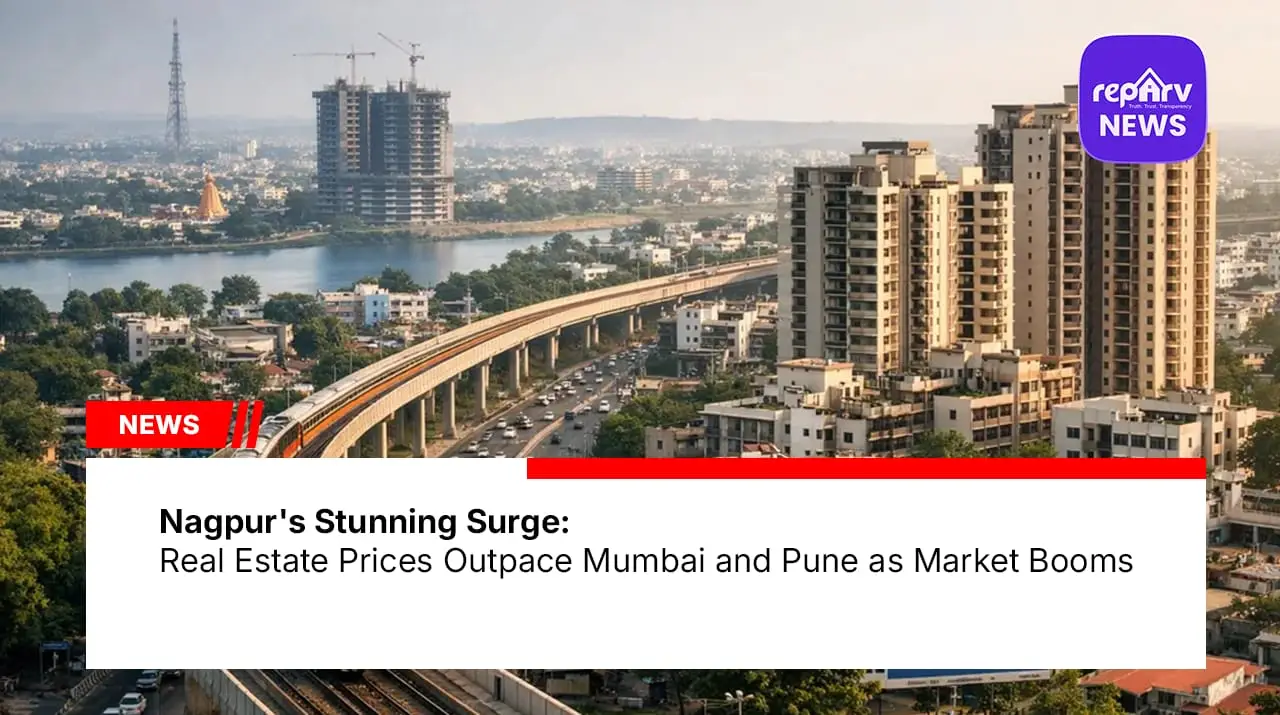
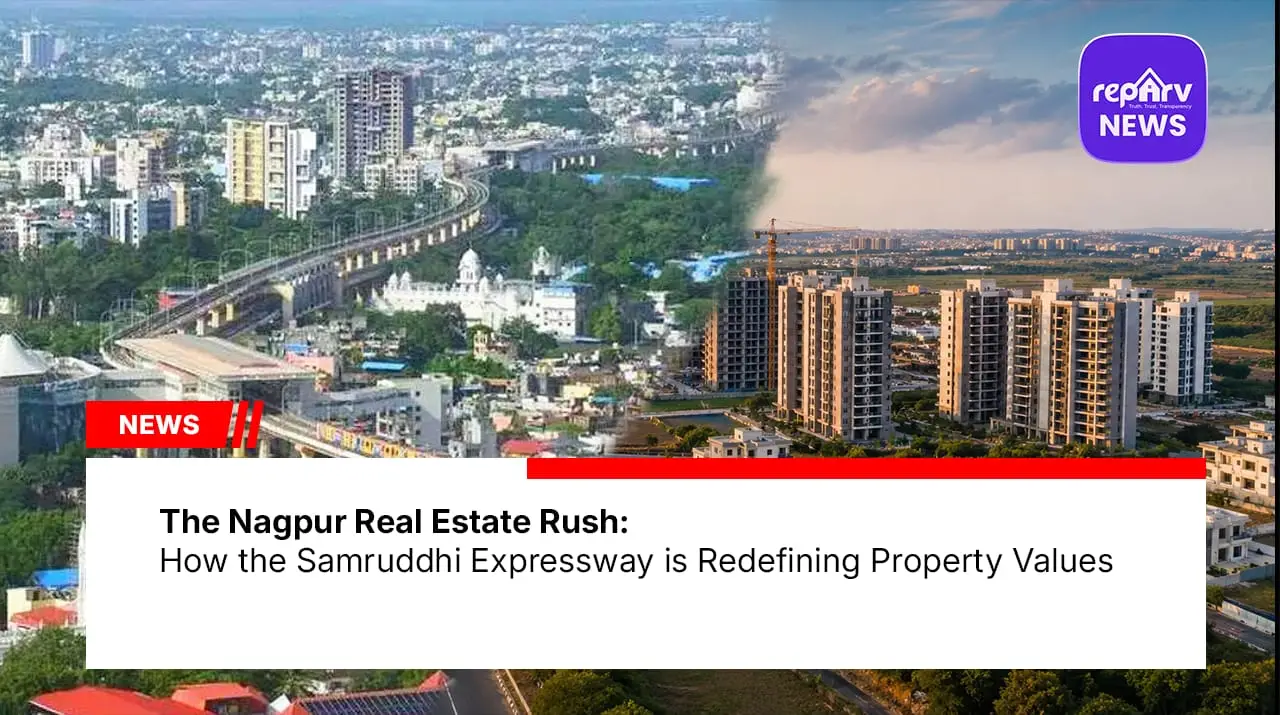
The affordable housing dream does exist. However, it does take some genuine effort to be able to purchase one. Tier 2 cities are still providing the greatest level of value possible. Places such as Indore, Lucknow, Coimbatore, Nagpur & Bhubaneswar have all recently had a great amount of affordable housing available for middle class families. With increasing infrastructure and decentralized job growth occurring in these cities; they not only provide affordable housing, but they also provide many of the things people look for in a comfortable city to live in.
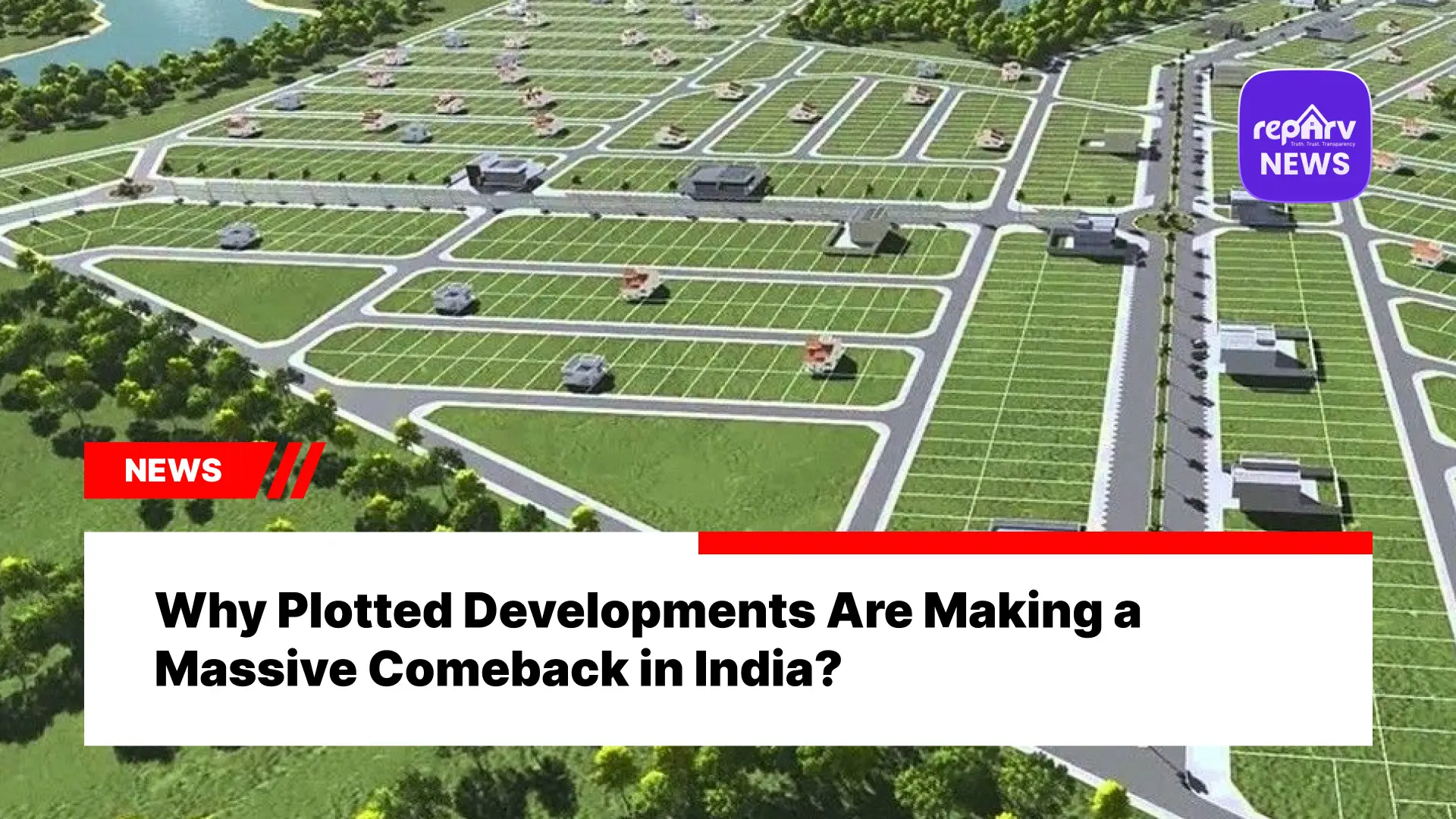
An alternative entry point is via the purchase of a plot of land in a developing outer city perimeter area. At present, plots are still priced very reasonably, so if you buy a piece of land now, even without a building being constructed on it immediately, you will be several years ahead with regard to how much you will pay down the road.
If you are interested in purchasing an apartment, RERA registered, or under construction from reputable builders, well-located in peripheral areas will offer a cheaper option than a vacant step in the core city. Therefore, the dream of affordable housing is not dead; it has merely changed locations and what it will resemble. Buyers of good quality affordable housing will be those who have adapted their search over time to areas that do not offer cheap or low priced housing in the central city; it is not going to occur.

.webp)
.webp)
.webp)
.webp)
.webp)
.webp)
.webp)
.webp)











.webp)
.webp)


.webp)
.webp)
.webp)
.webp)
.webp)
.webp)
.webp)
.webp)



















.jpeg)