

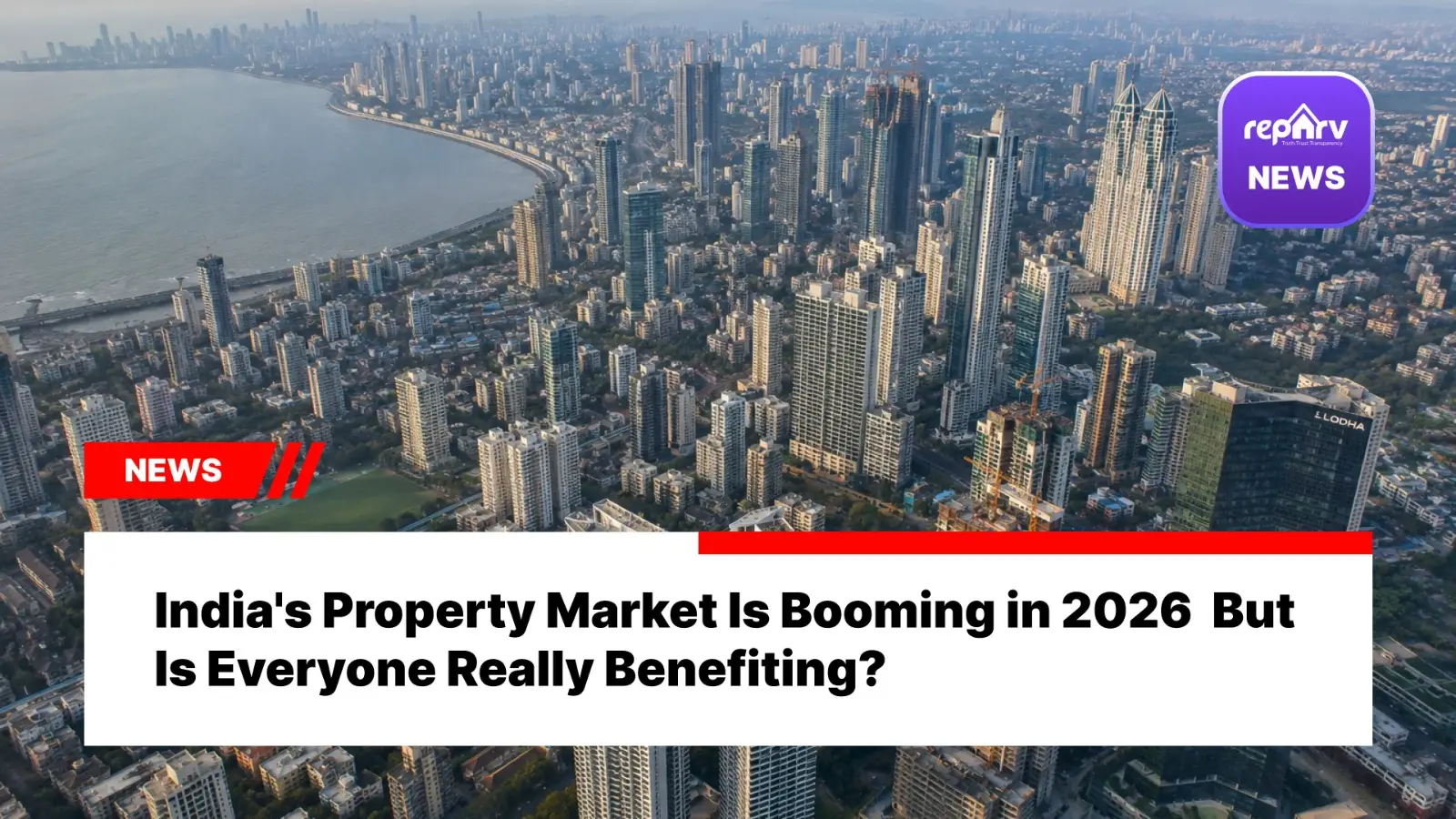
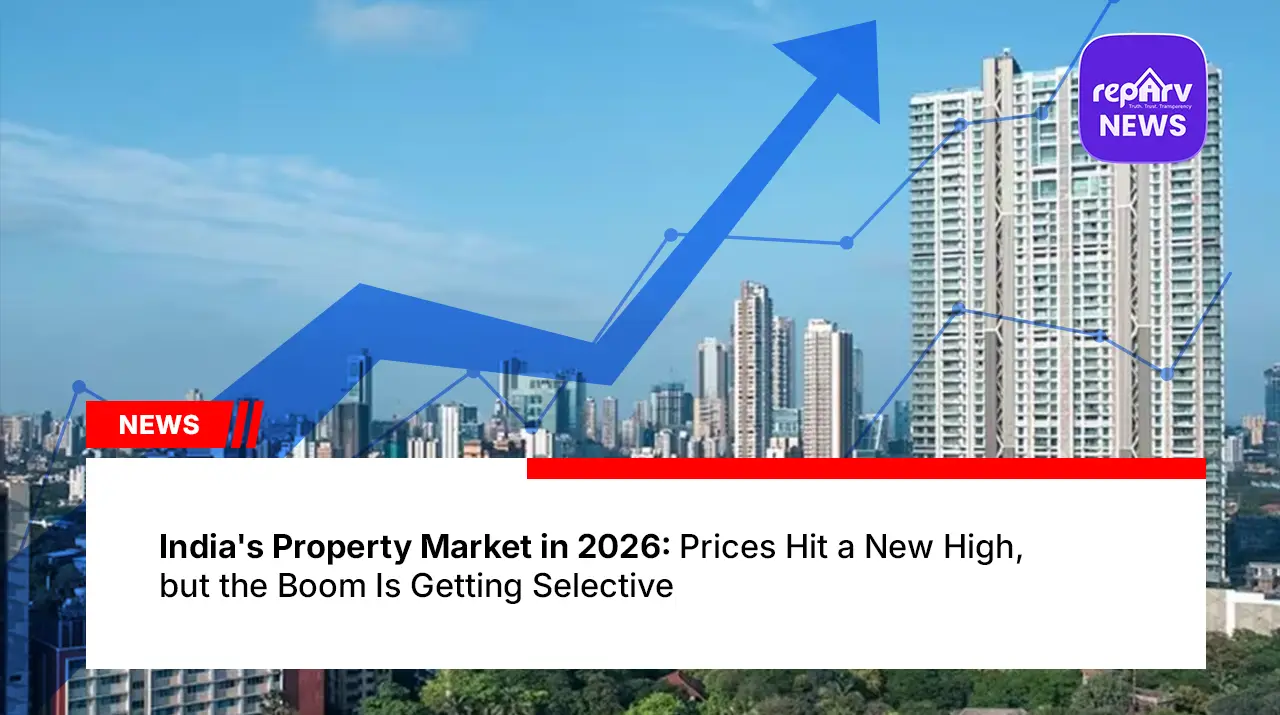
In Major cities across India , 'Sold Out' boards are going up faster than the buildings are coming down. From gleaming towers in Bengaluru to plotted developments in Indore, the country's real estate market in 2026 is buzzing with activity that few economists predicted even two years ago. But beneath the optimism, some important questions still remain unanswered.
Stability After Years of Turbulence
India's property sector has had a rough ride from demonetisation, RERA adjustments, a global pandemic, and rising interest rates all took their toll within a single decade. Yet the market has absorbed every blow and has come back stronger each time.
In the first quarter of this year alone, nearly one lakh homes were sold across India's top eight cities. What makes this figure remarkable is not the volume itself, but the nature of demand driving it. Industry analysts confirmed that the majority of buyers today are genuine end users families and working professionals buying homes to live in, not investors looking for a quick return. That is a fundamentally healthier market than what existed five years ago.
Why Bengaluru Cannot Stop Selling
If one city that is writing the most exciting chapter in Indian real estate right now, it is Bengaluru. Home sales in the city grew over 30 percent compared to the same period last year a number that would be impressive in any market, let alone one that was already performing well.
Global companies are setting up capability centres, a thriving startup culture, and a steady flow of high-income professionals into the city have created a housing demand that developers are genuinely struggling to keep up with. Cities like Hyderabad, Pune, and Chennai are not far behind.
The Buyer India Never Had Before
Perhaps the single most defining shift in today's market is the evolution of the Indian homebuyer. Price sensitivity, while still present, is no longer the only filter. Buyers in 2026 are walking into site visits and are asking about air quality monitoring systems, EV charging points, landscaped open spaces, and fibre ready apartments.
A home today is not just about a place to live but it has become a lifestyle decision. Developers who understood this early and built accordingly are the ones selling out projects within weeks of launch. Those still building the same apartment of 2015 today are quietly struggling .
The Tier-2 City Story Nobody Is Talking About Enough
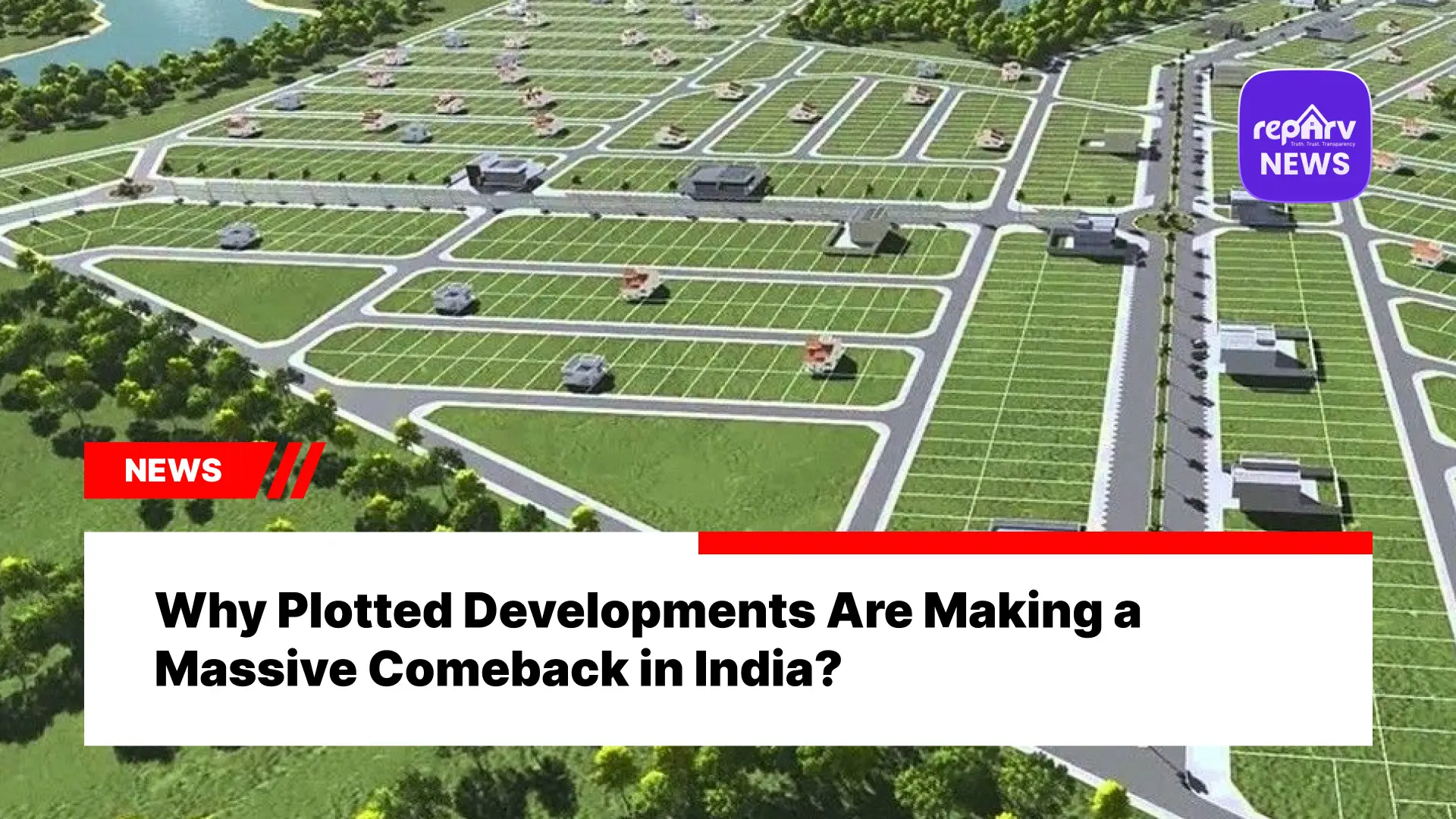
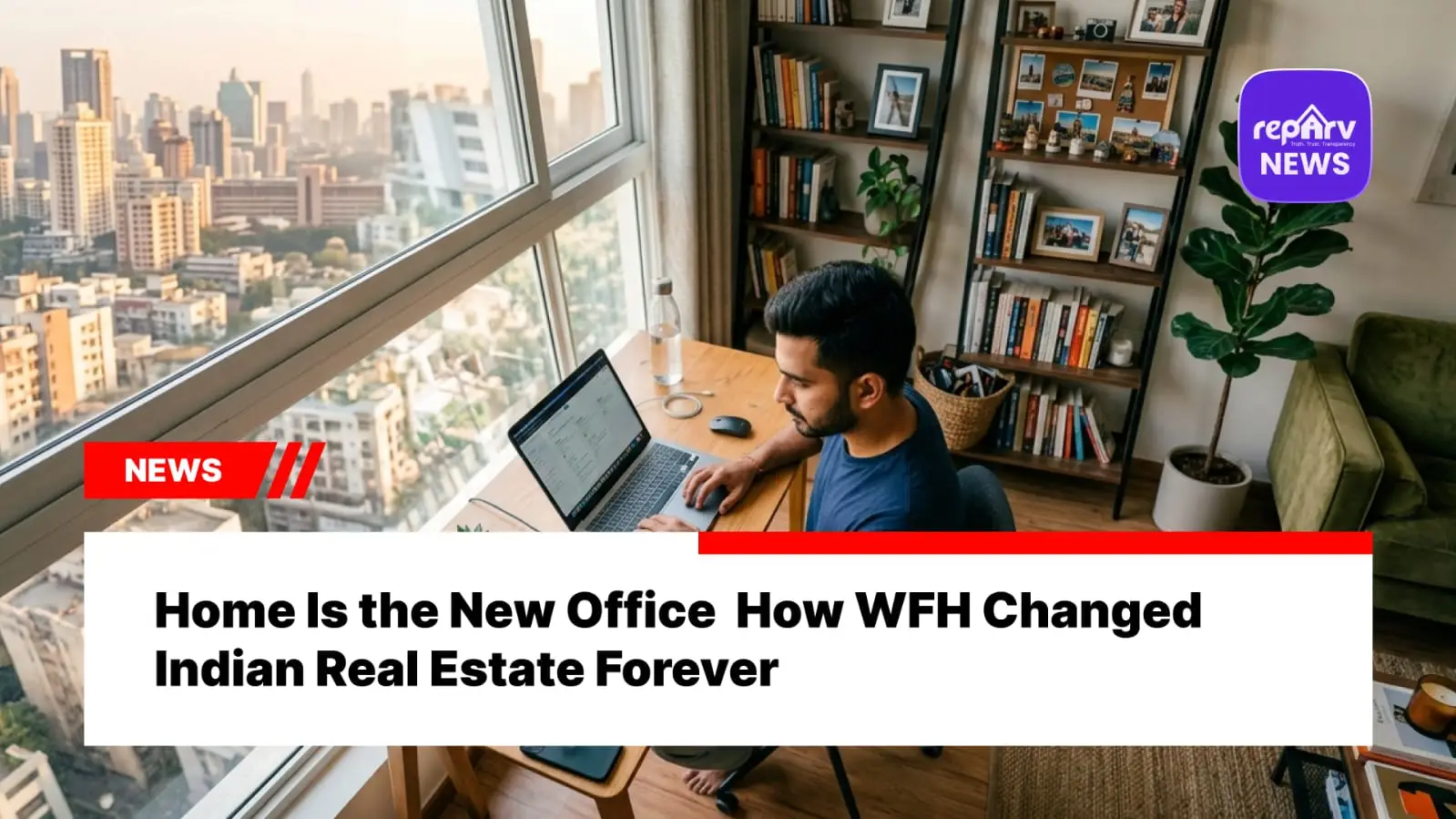
While metros grab the headlines, some of the most interesting real estate activity today is happening far from them. Cities like Indore, Lucknow, Coimbatore, Nashik, and Bhubaneswar are seeing genuine interest from both homebuyers and investors not just as affordable alternatives, but as destinations in their own right. Better highways, expanding metro rail networks, and a post-pandemic comfort with remote and hybrid work opportunities have significantly changed where Indians are willing to live. For a first-time buyer priced out of Mumbai or Delhi, a well-connected Tier-2 city is no longer a compromise. It's a preference.
Not Everything Is Smooth
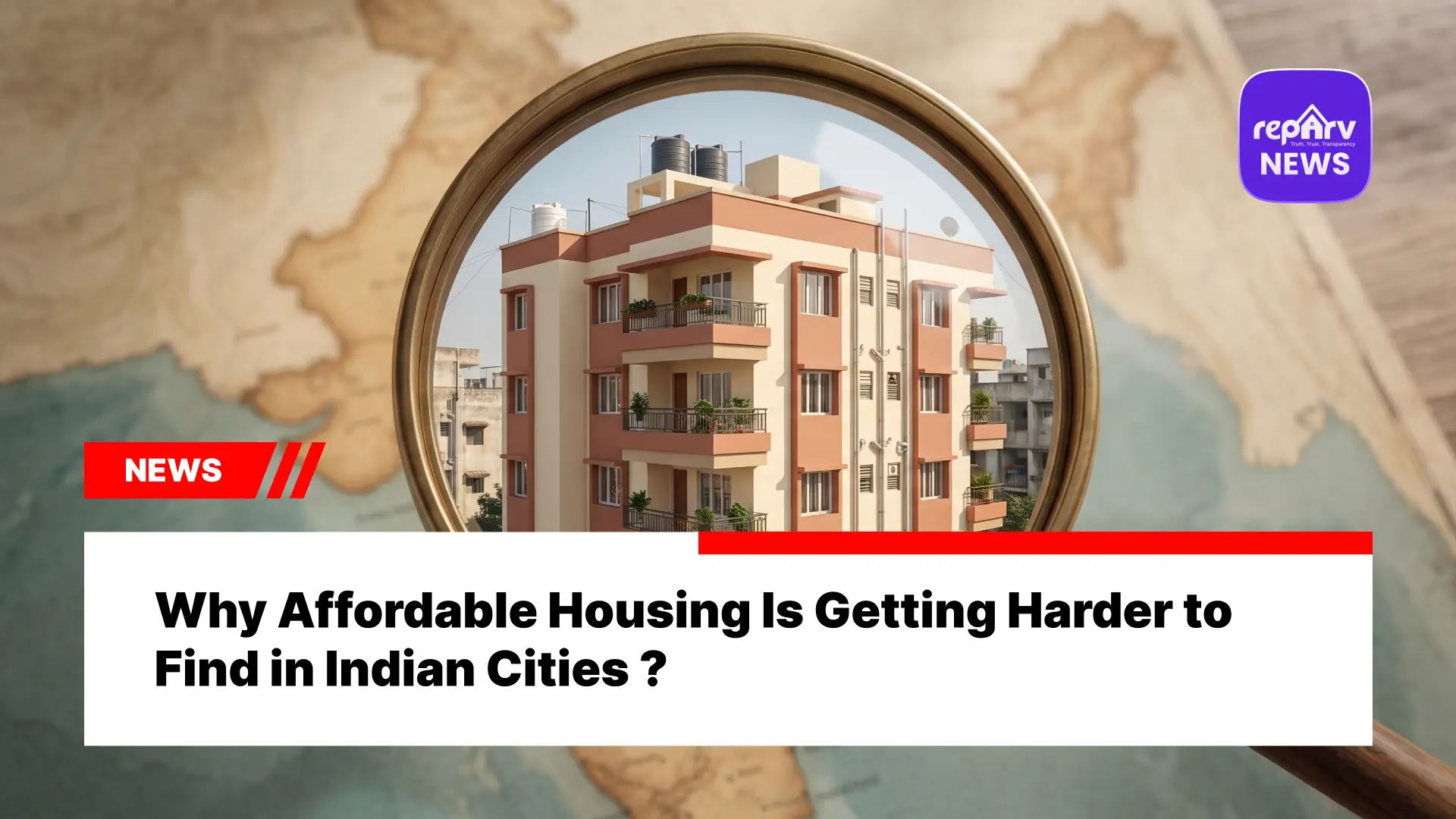
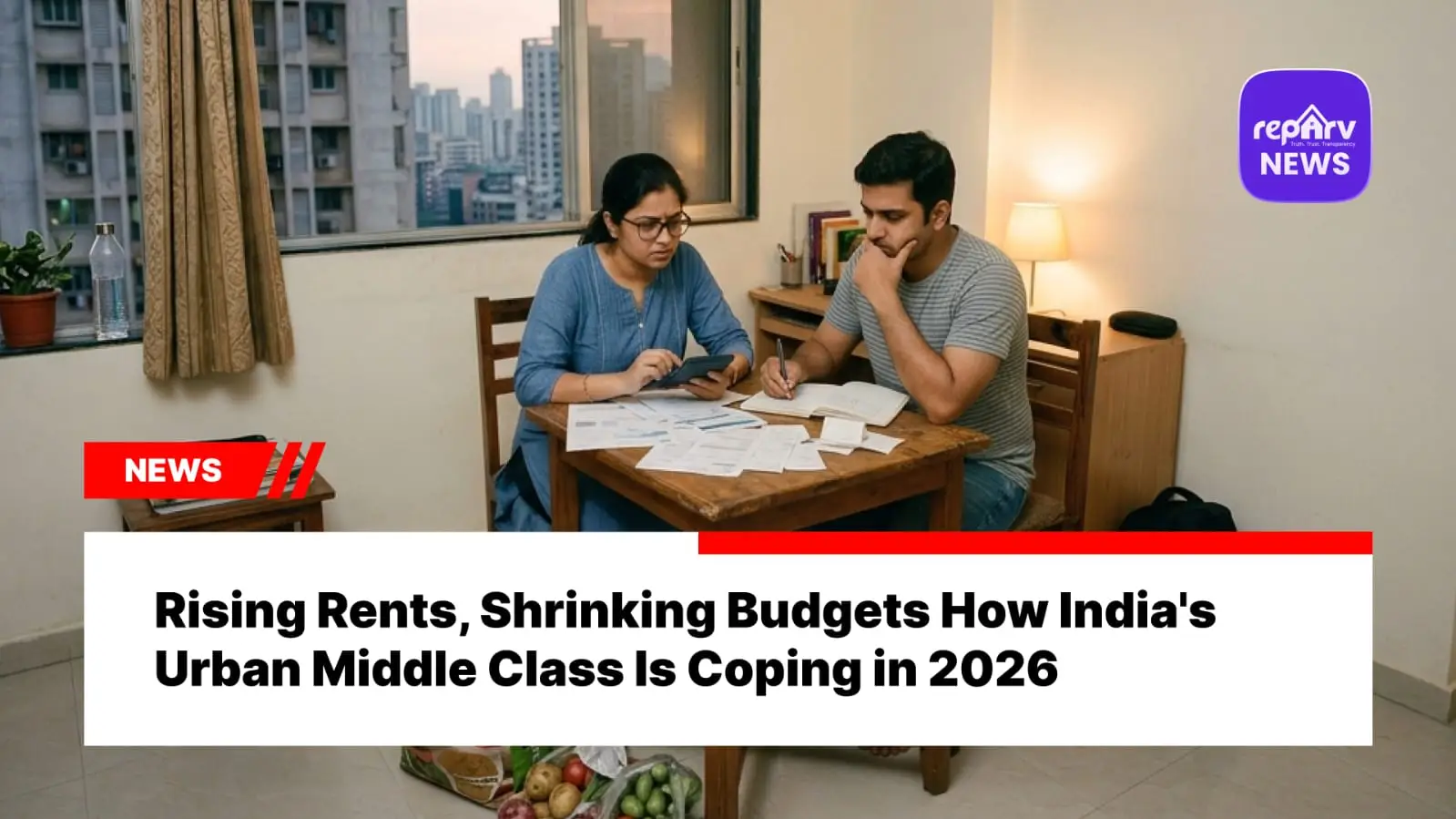
But, it would be unfair to paint the entire market with the same optimistic brush. Affordable housing homes priced below ₹40 lakh continues to face serious challenges. Developers have largely shifted focus toward premium and luxury segments where margins are higher, leaving a significant gap in supply for lower and middle-income buyers. In some markets, unsold affordable inventory has actually been rising even as luxury projects have been selling out. Rentals too, are becoming a pressure point. Across many major cities, rents have climbed five to seven percent this year. For young professionals just entering the workforce, this rising cost of renting is creating financial stress even as ownership remains out of reach for many.The market is growing. But not everyone is growing with it. Income is still big problem for many.
The Bigger Picture
India's real estate sector is on a trajectory that few industries in the country can match. Projections from leading research firms suggest that the sector could become one of the largest in the world within the next decade. But the more immediate story the one that matters today is about a market finding its maturity. Buyers are more informed. Developers are more accountable. Cities beyond the top four are finally getting their moment. Whether that momentum reaches every income group and every corner of the country remains the most important question this market still needs to answer.

.webp)
.webp)
.webp)
.webp)
.webp)
.webp)
.webp)
.webp)










.webp)
.webp)

.webp)
.webp)
.webp)
.webp)
.webp)
.webp)
.webp)
.webp)

















.jpeg)