

A Turning Point in the Greenopolis Housing Dispute
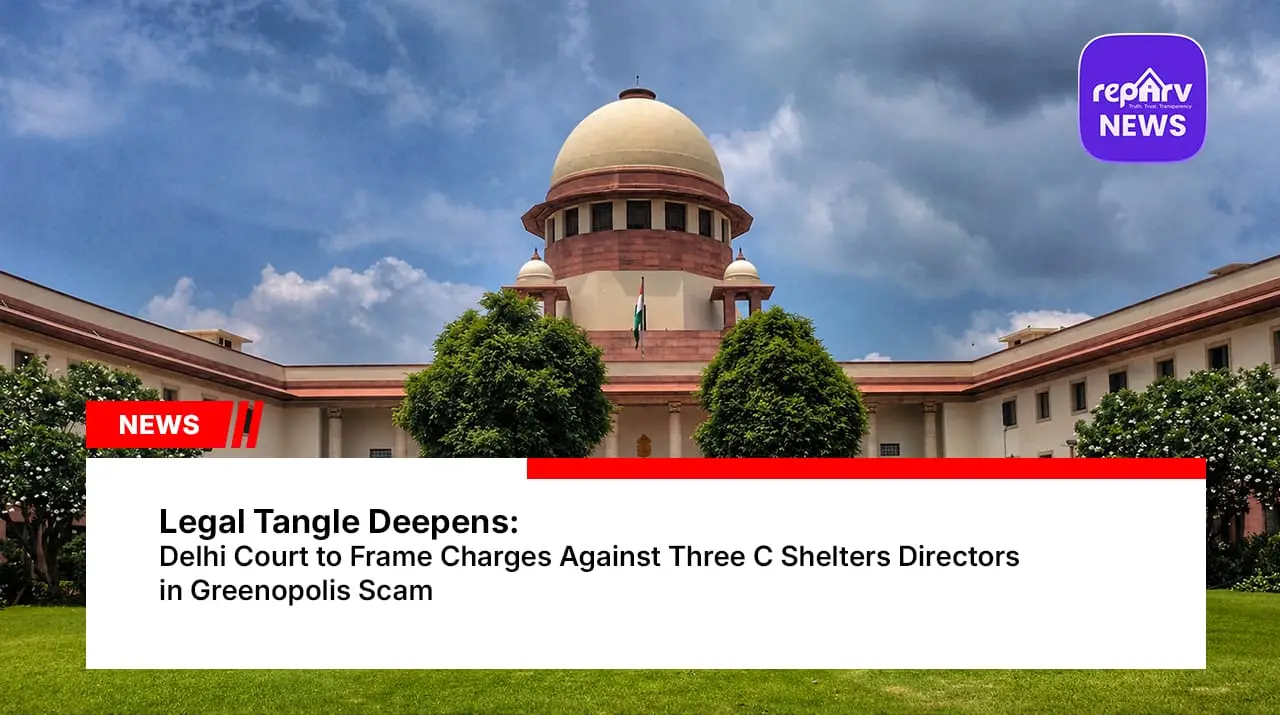
The long-standing struggle of homebuyers involved in the Greenopolis housing project has reached a critical juncture. In a significant legal development, a Delhi court has officially ordered the framing of charges against the directors of Three C Shelters Pvt Ltd. Additional Sessions Judge Sheetal Chaudhary Pradhan issued the order, noting that a prima facie case of cheating, forgery, and criminal conspiracy has been established against company directors Surpreet Singh Suri, Nirmal Singh, and Vidur Bhardwaj. This court action serves as a stern reminder of the persistent issues plaguing the real estate sector in the National Capital Region, where thousands of families have been left in limbo for years, waiting for the keys to homes that never materialized.
The Core Allegations of Deception
The case, which stems from a 2017 FIR filed by the Economic Offences Wing (EOW), centers on the systematic misleading of investors regarding the Greenopolis project in Gurugram. Developed under an agreement between Three C Shelters and Orris Infrastructure, the project was promised to be a modern residential haven comprising over 1,700 flats across 29 towers. However, the prosecution successfully argued that the developers failed to disclose critical hazards present on the site. Specifically, buyers were allegedly kept in the dark about a chemical effluent drain and high-tension power lines passing through the project land. While these hazards were clearly marked in the approved building layout plans submitted to government authorities, they were conspicuously absent from the marketing brochures and site plans provided to unsuspecting homebuyers.
Criminal Conspiracy and Financial Irregularities
The court’s order goes beyond mere misrepresentation, highlighting a deeper web of deceit. By framing charges under sections of the Indian Penal Code—including Section 420 for cheating and Section 120B for criminal conspiracy—the judiciary has acknowledged the gravity of the accusations. The investigation revealed that bookings were aggressively solicited even before mandatory statutory approvals were secured, creating a false sense of security for investors. Furthermore, the financial management of the project has come under heavy scrutiny. Forensic insights presented during the hearings suggested that funds collected from homebuyers were diverted to related group entities rather than being utilized for the intended construction of the towers, leaving the project in a state of skeletal ruin since 2016.
The Human Cost of Stalled Projects
Behind the legal jargon and the staggering financial figures lies the human reality of the Greenopolis crisis. For the hundreds of families who invested their hard-earned savings, the court's decision brings a glimmer of hope that accountability is finally being enforced. For years, these buyers have been forced to balance the crushing burden of home loan EMIs alongside the rising costs of renting alternative accommodation, all while the dream of their own home remained unfulfilled. The developers' failure to deliver, combined with the alleged concealment of hazardous site conditions, has made this case a defining example of the need for greater transparency and stricter regulatory oversight in the Indian property market.
Looking Toward the Judicial Process
The order for framing charges is set to be formalized on May 2, marking the beginning of a formal trial phase. While the legal wheels turn, the shadow of insolvency proceedings against Three C Shelters adds another layer of complexity to the recovery process for creditors and homebuyers alike. As the judiciary continues to scrutinize the activities of the company directors, the case stands as a stark warning to the real estate industry. Transparency in project planning, integrity in buyer agreements, and the responsible management of capital are not merely optional best practices; they are the fundamental pillars of trust. With the court now moving toward trial, all eyes remain on the legal proceedings, as stakeholders hope for a resolution that finally prioritizes the interests of the thousands of families caught in this devastating deadlock.






.webp)
.webp)
.webp)

.webp)


.webp)
.webp)
.webp)
.webp)










.webp)
.webp)


.webp)

.webp)
.webp)
.webp)
.webp)
.webp)
.webp)
.webp)
























.jpeg)