

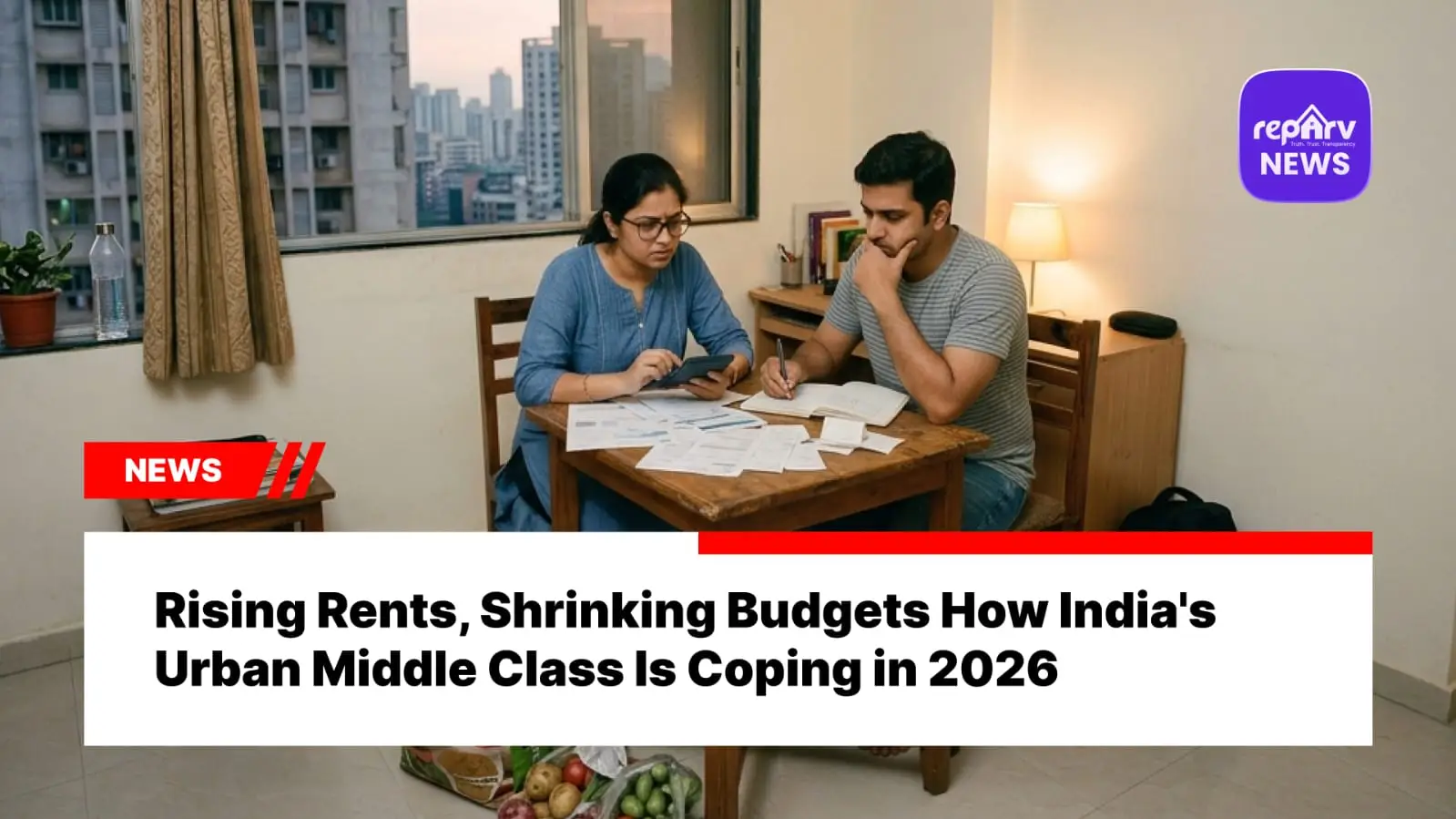
Ask any working professional living in Mumbai, Bengaluru, or Gurugram what their biggest monthly stress is and before they even finish thinking, the answer comes. Rent. It is always rent.
India's cities are growing, opportunities are expanding, and the economy looks promising on paper. But on the ground, in the lives of millions of ordinary salaried families, a very different story is playing out. The cost of simply having a roof over your head has become one of the heaviest financial burdens an urban Indian carries today.
When Half Your Salary Goes to the Landlord
The situation has reached a point where financial advisors and economists are genuinely concerned. Across most major Indian cities in 2026, a large number of middle class families are directing anywhere between 40 and 50 percent of their monthly earnings toward rent alone. That is not a comfortable number at all. That is a number that leaves almost no room for savings, emergencies, or any kind of financial growth in our daily lifes.
Rents have not gone up slowly either. Over the past four years, cities like Mumbai, Bengaluru, and Hyderabad have seen rental prices rise between 10 and 20 percent year on year in several neighbourhoods. What felt like a manageable expense in 2021 has quietly doubled in many cases by 2026.
The City by City Picture
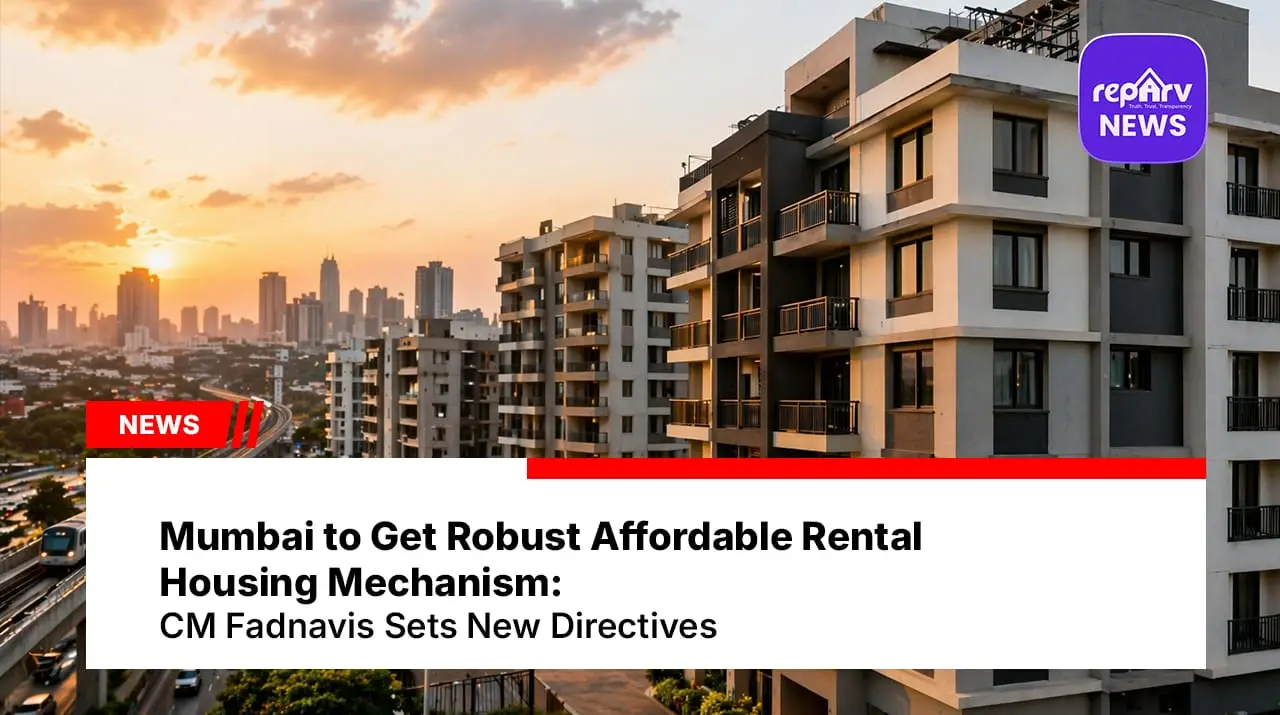
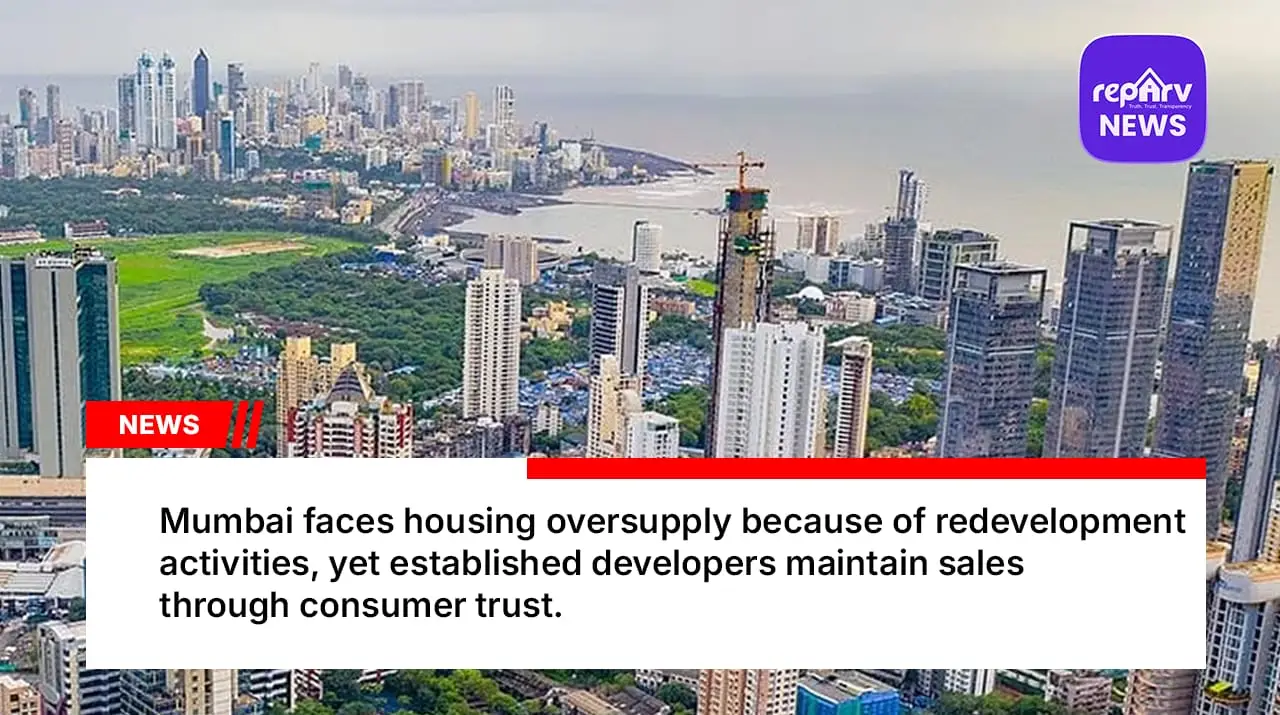
Mumbai remains the most punishing rental market in the country. Redevelopment projects across the city have pulled a significant number of rental homes off the market entirely, shrinking supply at a time when demand keeps climbing. The result is straightforward fewer homes available means landlords can ask for more, and they are.
Bengaluru tells a slightly different story. The wave of global companies setting up offices here, combined with the return-to-office push across the technology sector, has flooded neighbourhoods like Whitefield, Sarjapur Road, and Indiranagar with demand that existing housing stock simply cannot absorb. Rents in these pockets have shot up sharply over the past 18 months.
Gurugram, meanwhile, has surprised even seasoned real estate watchers. Premium gated communities along key corridors are now quoting monthly rents that would have seemed unrealistic just two years ago. For a mid-level professional earning a decent salary, many of these options are simply not on the table anymore.
Real People, Real Compromises
The statistics matter, but the human stories behind them matter more. Across India's metro cities, working professionals are quietly renegotiating the terms of their lives to keep up with rising housing costs.
Some are moving 20 to 30 kilometres away from their workplaces to find something they can afford accepting longer commutes, crowded trains, and lost hours as the price of a manageable rent. Others are sharing apartments with flatmates well into their thirties, not out of choice but out of financial necessity.
Young couples are delaying plans. Families are cutting corners in areas they never imagined they would. The middle class in India has always been defined by its quiet resilience its ability to stretch, adjust, and carry on. But in 2026, that resilience is being tested in ways that feel less like a temporary phase and more like a permanent new reality.
A Supply Problem That Nobody Is Fixing Fast Enough
The core of this crisis is not complicated. There are simply not enough homes being built for the people who actually need them at prices they can actually afford.
Developers across the country have largely shifted their focus toward premium and luxury housing where profit margins are significantly higher. Affordable housing the segment that the working and middle class genuinely depends on has been receiving less and less attention from the market. Government schemes exist, but the scale of the shortage far outpaces the pace of solutions.
India's urban housing deficit currently stands at around 10 million units and is projected to worsen considerably over the next few years if the direction of new construction does not change meaningfully.
Is It Time to Stop Renting and Start Buying?
This is the question more and more urban professionals are seriously asking themselves in 2026. And for many, the math is beginning to make a compelling case for ownership.
With home loan interest rates having come down following recent policy rate cuts, the monthly EMI on a reasonably priced apartment in a Tier-2 city or even in the outer areas of major metros is now surprisingly close to what many people are already paying in rent. The difference is that an EMI builds something. A rent receipt builds nothing.
The calculation is not the same for everyone. It depends on savings, job stability, location, and long term plans. But the conversation is happening more seriously, and more frequently, than it has in years.
What This Moment Is Really About
India's middle class is not asking for luxury. They are not asking for the impossible. They are asking for something very basic the ability to live in the city where it works, without surrendering financial security in the process. Until policymakers, developers, and urban planners treat affordable housing as a genuine priority rather than an afterthought , that ask will remain unanswered. And millions of salaried Indians will keep doing what they have always done adjusting & compromising quietly, hoping patiently, and stretching a little further every month just to stay where they are.




.webp)
.webp)
.webp)
.webp)

.webp)
.webp)
.webp)
.webp)











.webp)
.webp)


.webp)
.webp)
.webp)
.webp)
.webp)
.webp)
.webp)
.webp)
























.jpeg)