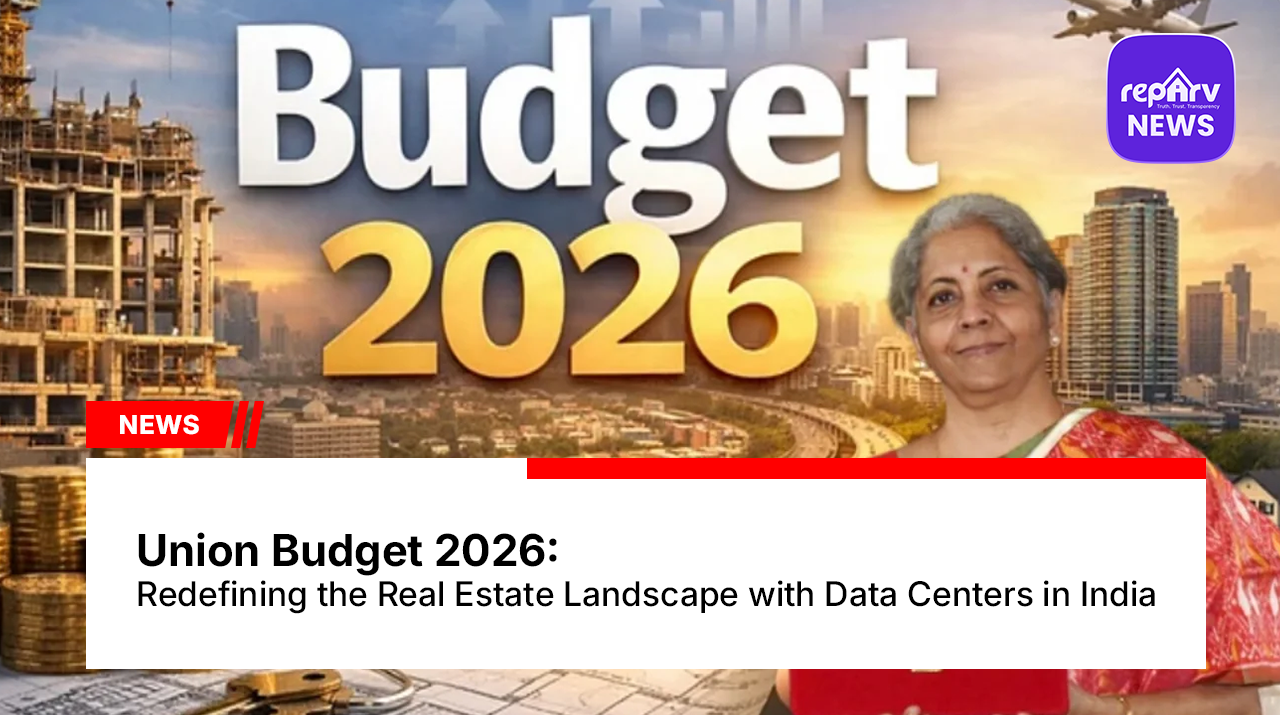



A Record-Breaking Year for Indian Real Estate
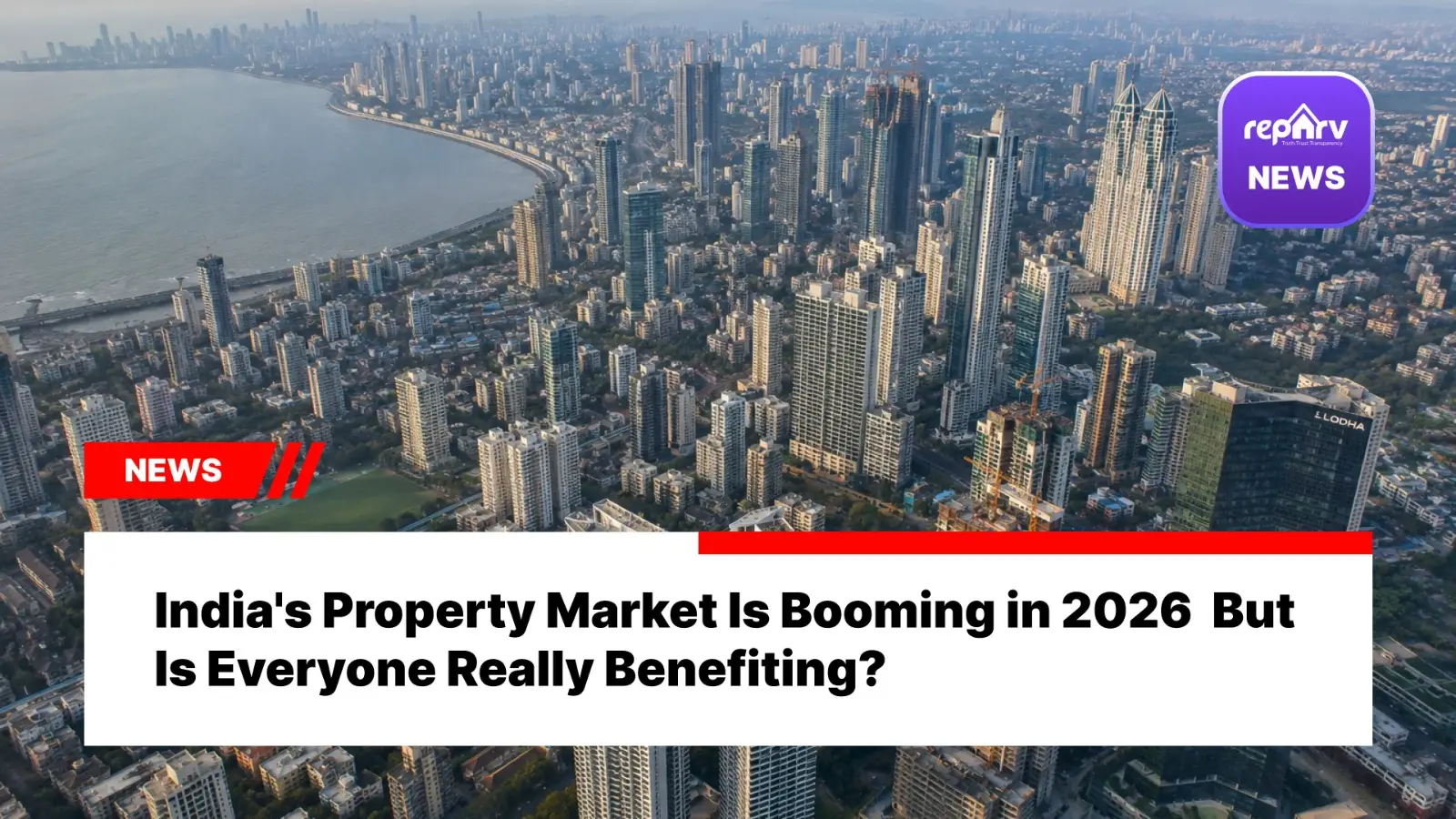
The year 2025 marked a definitive turning point for India's real estate sector, characterized by an aggressive expansion strategy that saw developers securing land at an unprecedented scale. Data indicates that developers closed 149 transactions throughout the year, acquiring over 3,093 acres of land. This represents a substantial 32% year-on-year increase in land acquisition activity, valued at a staggering ₹54,818 crore. This wasn't merely a series of isolated deals; it was a calculated bet on the future of urban India. By securing these prime parcels, developers have set the stage to unlock approximately 229 million square feet of development, a pipeline that will begin to materialize as supply over the next two to five years.
The Financial Mechanics of Growth
Buying the land is only the opening act in a much larger capital-intensive story. The development of these acquired parcels will require an estimated construction capital exceeding ₹92,000 crore. Of this amount, the sector projects an external financing requirement of over ₹52,000 crore to bring these projects to completion. This immense capital demand is shifting the financing landscape, pulling in a mix of bank lending, private equity, and institutional capital. As the scale of these developments grows, developers are increasingly looking toward Alternative Investment Funds (AIFs) and private credit providers to fill the funding gap, ensuring that the momentum established in 2025 does not stall during the construction phase.
Why Tier-1 Cities Remain the Epicenter
While there has been plenty of talk about the potential of emerging markets, the investment data for 2025 tells a clear story: the primary metropolitan hubs are still the preferred destination for high-stakes capital. Tier-1 cities—specifically Mumbai, Pune, Bengaluru, and Delhi-NCR—accounted for 89% of the total capital deployed for land acquisition, even though they represented only 52% of the total land area purchased. This skew highlights the premium on land within these congested, high-demand centers. Developers are willing to pay top dollar to secure parcels in these locations, betting on the continued influx of professional talent, the growth of the services sector, and the unwavering demand for high-quality residential and commercial spaces.
Residential Development as the Primary Growth Engine
Within the broader scope of these acquisitions, the residential segment has emerged as the clear leader. Developers allocated nearly 78% of the acquired land—totaling approximately 2,398 acres—exclusively for housing projects. This prioritization is a direct response to the persistent demand for modern, spacious, and amenity-rich living environments among urban homebuyers. With an estimated construction cost of ₹72,000 crore earmarked for these residential projects, the focus is squarely on addressing the supply-side constraints that have influenced market prices over the past few years. By bringing this level of supply to market, developers aim to stabilize the high-growth corridors where demand has consistently outpaced availability.
Emerging Markets and the Path Ahead
While Tier-1 cities command the bulk of the investment, the role of Tier-II and Tier-III cities cannot be overlooked. These emerging centers accounted for 48% of the total land area acquired, even if they drew only 11% of the total investment capital. This disparity highlights the vast difference in land costs between established metros and growing urban centers. As infrastructure improves—through highway expansions, new airports, and enhanced connectivity—these cities are becoming vital components of the long-term growth strategy for major developers. Looking forward, the momentum from 2025 has already spilled into early 2026, with an additional 900 acres acquired in the first quarter alone. This ongoing trend signals that the sector is moving beyond speculative growth, focusing instead on long-term sustainability and the creation of large-scale, integrated developments that will define the next generation of Indian urbanism.



.webp)
.webp)
.webp)

.webp)
.webp)
.webp)
.webp)
.webp)





.webp)
.webp)


.webp)
.webp)
.webp)
.webp)
.webp)
.webp)
.webp)
.webp)



















.jpeg)