


They paid on time,They waited patiently. Years later, they are still waiting. This is the story India's real estate industry does not want you to read.
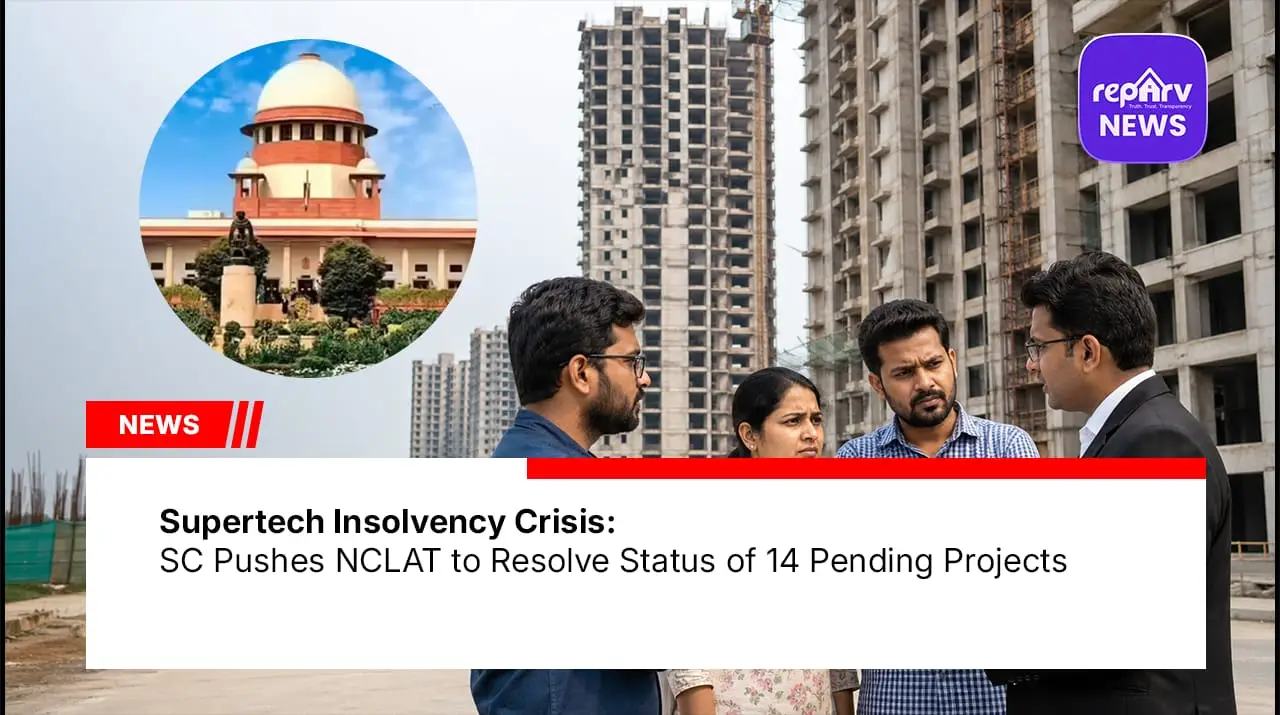
Picture this a family in their early thirties, both working. They saved for years cutting vacations, skipping luxuries, putting aside whatever they could every single month. And then one day they finally did it. They booked a flat. Paid the token amount. Signed the agreement. The builder promised possession in three years. Three years became four, Four became five, Five became we will let you know.They are still paying rent, They are still paying EMIs. And somewhere in a city that keeps growing around them, there is a half-built building with their name on a flat that does not yet have walls.
This is not one family's story. Across India right now, this is happening to thousands of families at the same time. And the painful truth is it has been happening for decades.
How Big Is This Problem Really?
The amount of loss in real estate investment is significantly larger than many may think and data proves this in ways that are hard to overlook. The problems become even more apparent once you start looking at the actual numbers involved within a single state regulatory authority, which has reported more than 2600 housing projects year-over-year that have not met their completion dates. Many of these stalled housing projects also do not currently have new completion dates associated with them. A large number of them have also not yet filed for their RERA registration which means that they cannot be legally funded by any buyers. Meanwhile, buyers have already placed huge amounts of money (in some cases, hundreds of crores) into these projects. For the financial loss resulting from all of the stalled housing developments across the country, the total loss is likely in the hundreds of crores as well as being approved for massive refunds by the governmental agencies regulating development and having granted the refunds to the affected buyers at a minute fraction of what was originally approved. In a number of cases, only 14% of the duly approved refunds would be paid to the affected homeowners. Therefore, the remaining 86% of the buyers who were entitled to receive their funds under the law will simply not receive them. In summary, the law provides rights to the owners, however, reality falls significantly short of what has been stated on paper.
The Double Burden That Quietly Breaks Families
There is a specific kind of financial pain that comes with builder delays and it does not make headlines, but it destroys lives slowly.
When possession gets delayed by two, three, or even five years, the buyer does not just lose time. They lose money every single month without exception. Because the home loan EMI starts the moment the loan is disbursed not the moment you get the keys. And rent does not stop just because your flat is under construction somewhere. So you end up paying two things simultaneously. Rent for the place you are currently living in. EMI for the home you were supposed to be living in by now. Every single month. For years.
For younger buyers, this means delaying everything else in life. For older buyers, this often means using retirement savings to stay afloat. The financial burden on homebuyers in delayed projects is enormous and almost completely invisible to anyone who has not lived through it personally. Industry experts have repeatedly pointed out that this burden falls hardest on middle-income families the ones who stretched the most to afford the flat in the first place and have the least cushion to absorb an indefinite wait.
Why Do Builders Keep Delaying?
The question that every home buyer reflects upon at some stage is, “When will my home be finished?” The frustrating answer for all buyers is that there are many reasons none of which fully explain why they each need to remain patient.
In Canada, builders will often blame the reasons for delays on outside influences (rising prices of building materials), workforce shortages, delays in regulatory approval, changes in policy (etc.). While some reasons for delays are legitimate, and worthy of consideration, what the regulators across Canada have discovered is that many delays occur before the external influences even occur.
The most common reason we see through all cities is that builders launch multiple projects at one time, and the money received from buyers for the initial project is used to fund the construction of additional projects. As long as all of the projects run smooth, that is fine. When one of the projects runs into delays, cash flow will slow down or be cut off altogether; construction will cease or significantly slow down, and this creates a domino effect creating delays for numerous buyers on numerous different projects.
This is very poor planning. It is not a case of “bad luck”. In a lot of cases, it is a situation that should have been addressed by complete and thorough regulation.
Today, different regulatory organizations will be taking a much firmer stance on the violation of these regulations than has been done in the past. Some of the actions or consequences include denying businesses that currently have outstanding project delays the opportunity to proceed with future projects (i.e., businesses not receiving a new project license).
The logic is simple and hard to argue with if you have not delivered what you already promised, you do not get to start making new promises to new buyers.
What Does RERA Actually Give You?
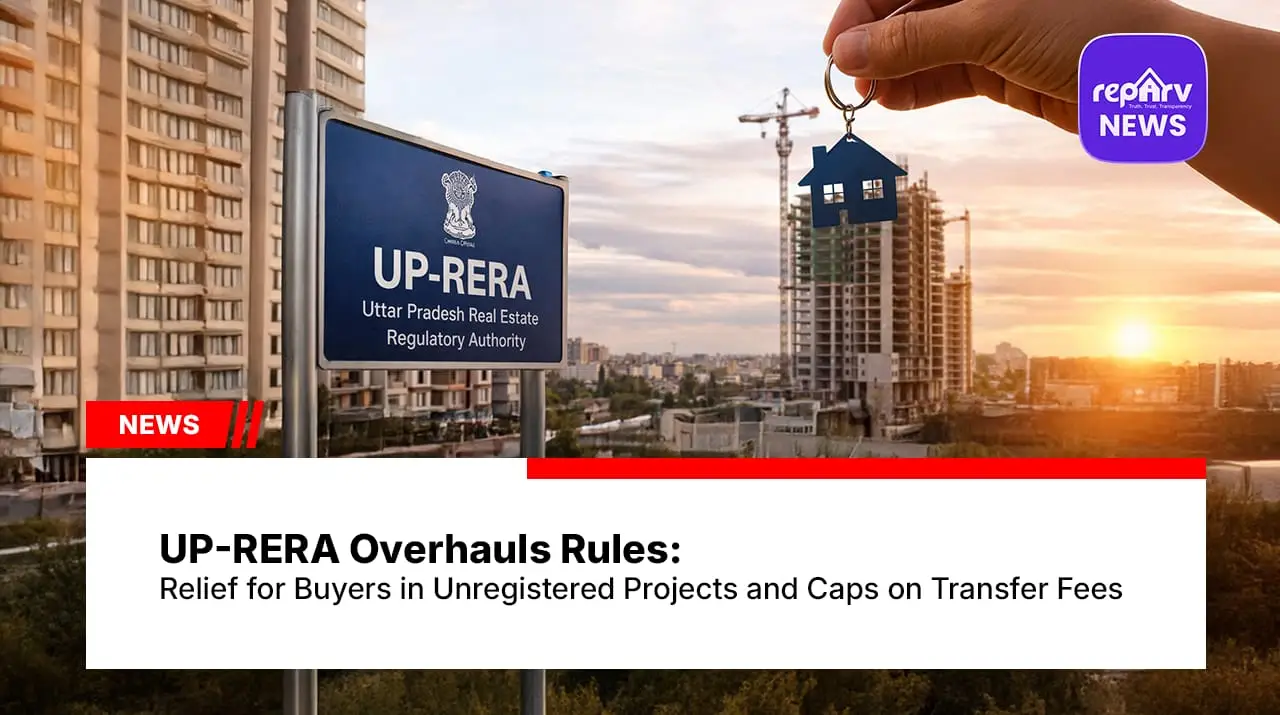
When the Real Estate Regulation and Development Act . RERA came into force in 2016, it was a genuine landmark for Indian homebuyers. For the first time, there was a law that placed real accountability on builders and gave buyers a clear legal path when things went wrong.
Under RERA, if a builder fails to hand over possession by the committed date, the buyer has two clear options. The first is to exit the project entirely withdraw, claim a full refund of everything paid, plus interest. The second is to stay invested in the project and receive monthly interest compensation for every single month of delay until possession actually happens.
Beyond that, buyers can also claim compensation for the rent they paid during the delay period, for the additional EMI burden caused by the builder's failure, and even for the mental stress and harassment the delay caused.
On paper, this protection is strong. The challenge that thousands of buyers have discovered the hard way is that getting an order passed in your favour and actually receiving the money are two very different things. Enforcement remains the weakest link in the entire system.
But here is what matters filing a RERA complaint is still always worth doing. It creates a legal record, it puts pressure on the builder, and in many cases it does result in compensation or action. Do not sit and wait quietly. Use the law that exists for exactly this situation.
The Government Is Trying But It Is Not Enough Yet
There are genuine efforts being made to fix stalled real estate projects across India.
A government-backed stress fund has already helped complete tens of thousands of homes in stalled projects across the country. Several state governments have introduced rehabilitation packages for legacy delayed projects offering builders interest waivers and restructured timelines in exchange for actually completing construction and handing over homes to waiting buyers.
These are positive steps. But the sheer scale of the problem hundreds of thousands of families still waiting across multiple states means that government intervention alone cannot solve it. The system needs builders who plan better, regulators who act faster, and buyers who research more carefully before signing.
What You Should Always Do Before Booking
The single most effective protection against getting caught in a delayed housing project is not a lawyer or a complaint it is research done before you ever sign anything. Always verify a project's RERA registration on your state's official portal before paying a single rupee. Check the promised possession date. Visit the site and see how much actual construction has happened relative to how long the project has been running. Look at the builder's track record search for their name on the RERA portal and check whether previous projects were delivered on time or not. These records are public. They are free to access. And they tell you more than any brochure ever will.
If you want to eliminate the risk of delays entirely, consider ready-to-move properties. You pay, you get the keys. There is no waiting, no uncertainty, no double payment burden. For many buyers, that peace of mind is worth more than any discount an under-construction flat might offer.
Conclusion
India's residential real estate market is growing and there is genuine excitement in the sector. But underneath the sales numbers and the new launches, the delay problem continues quietly eating into the savings, the mental health, and the basic trust of families who just wanted a home to live in.
You deserve a home, Not a promise, Not a possession date that keeps moving. A home. Do your homework before you book because once the money is paid, taking it back is a long and exhausting fight that nobody should have to go through.





.webp)
.webp)
.webp)

.webp)




.webp)
.webp)
.webp)
.webp)













.webp)
.webp)


.webp)

.webp)
.webp)
.webp)
.webp)
.webp)
.webp)
.webp)




























.jpeg)