


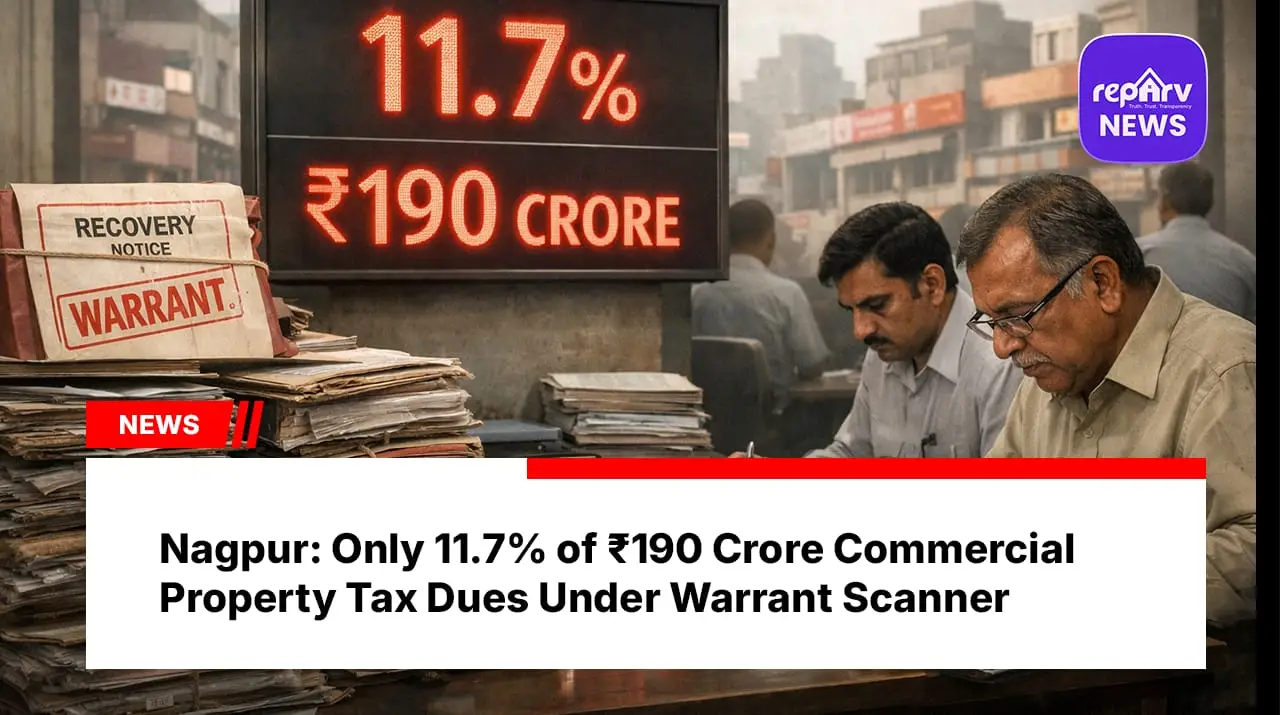
Over 350 government offices in Nagpur have failed to pay their property tax dues amounting to almost ₹145 crore, causing a significant setback to the revenue of the Nagpur Municipal Corporation (NMC), according to the civic officials.
The unpaid property tax dues, which have been pending for several years, include several state and central government departments, including administrative offices and government institutions. Despite the notices served by the civic body, the unpaid amount remains substantial, said officials.
The NMC depends on property tax as its primary source of revenue, but unpaid taxes from government offices have created a major revenue shortfall, affecting the NMC's ability to fund essential public services such as road maintenance, water supply and urban infrastructure construction.
The civic officials have reported that tax recovery efforts face obstacles because of procedural delays and tax assessment conflicts. Unlike private property owners against whom civic bodies can initiate action for recovery of dues by imposing penalties or attachment of properties, action against government departments for recovery of dues cannot be easily initiated. This has led to a slow recovery process.
The issue has created problems because it has resulted in different ways of enforcing tax compliance between various taxpayer groups. Government departments face challenges while trying to recover their outstanding payments because the debt collection process requires authorisation from senior officials, whereas private property owners face severe penalties for their unpaid tax obligations.
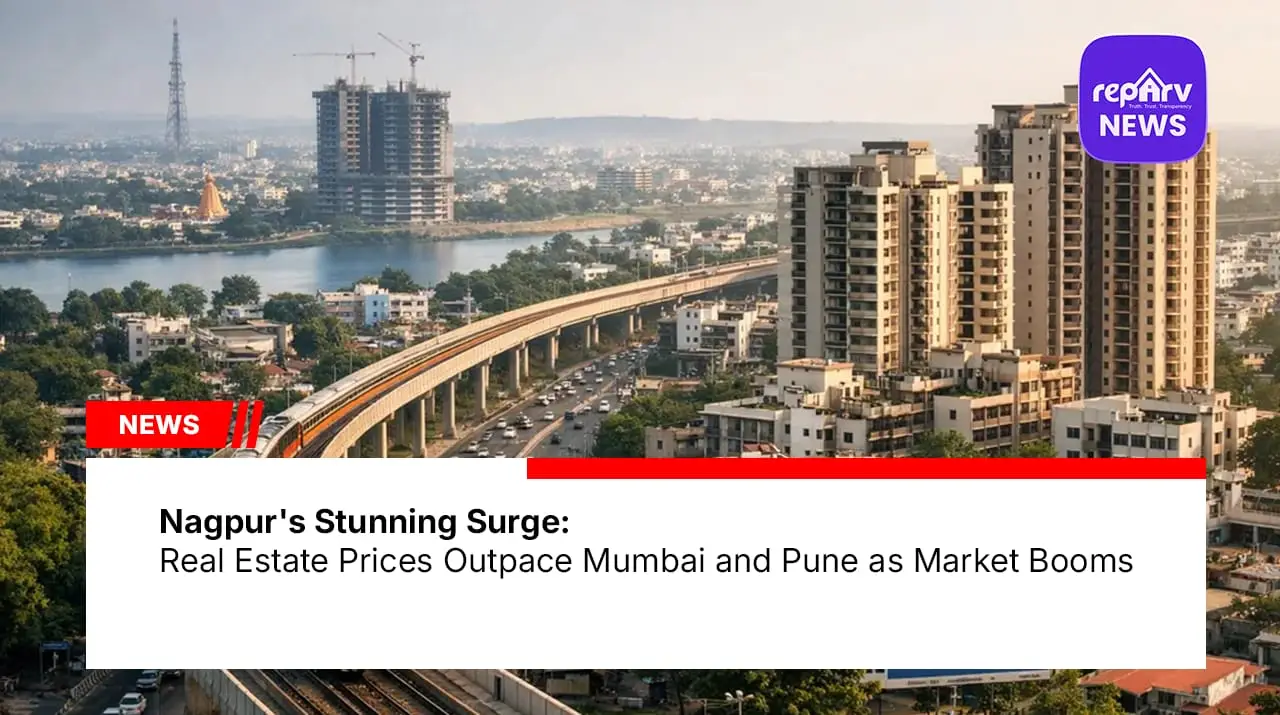
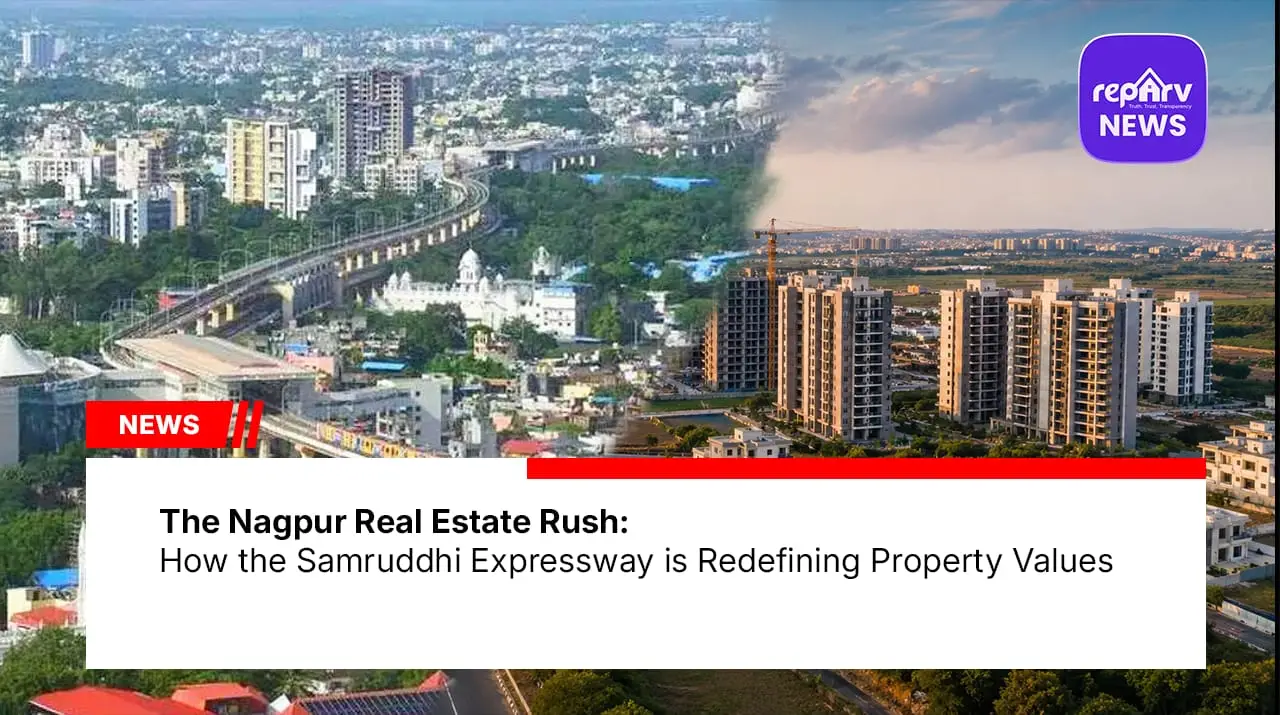
The civic body’s investments in infrastructure development are a critical factor in facilitating this development. Nagpur is witnessing steady growth in real estate activities.
According to real estate experts, a steady flow of municipal spending is necessary for sustaining investor sentiment and fueling the appreciation of property values. Any issues faced by the civic body in terms of finances may impact the pace of development, which could be driven by infrastructural development.
The NMC is looking for solutions that will help speed up the process of recovery, which could include taking up the matter with senior state and central government officials. It has been mentioned that solutions such as a structured repayment model and settling disputed amounts could be considered for resolving the backlog.
Reports of outstanding amounts owed by government bodies have been received for several cities, but the extent of outstanding payments in Nagpur has brought this issue back into the spotlight. Urban policy experts have indicated that all parties, including government bodies, must pay their property taxes on time to achieve urban development goals.
The reimbursement of these dues will be keenly observed, especially as Nagpur continues to assert its position as a budding hub of real estate and infrastructure. The city will experience financial effects from the dues reimbursement, which will also shape how investors view its real estate market.






.webp)
.webp)
.webp)


.webp)



.webp)
.webp)
.webp)
.webp)










.webp)
.webp)

.webp)
.webp)
.webp)
.webp)
.webp)
.webp)
.webp)
.webp)
























.jpeg)