

.webp)
The Vertical Frontier of Mumbai’s Informal Settlements
In the high-stakes world of Mumbai real estate, the most dramatic transformations are no longer just happening in the upscale neighborhoods of Worli or Bandra. A quiet but aggressive vertical expansion is taking place within the city’s dense informal clusters. Across neighborhoods like Govandi, Kurla, and Bandra East, the traditional "ground-plus-one" shanty is rapidly being replaced by what locals and activists call slum skyscrapers. These structures, often reaching five to seven storeys, are built in blatant defiance of the mandatory 14-foot height restriction for slum dwellings. Hemmed in by a geography that forbids lateral growth, these settlements are pushing upward, creating a new, unregulated skyline that operates largely outside the view of formal city planning.
Defying Restrictions and Enforcement Challenges
This hidden development boom is a masterclass in urban defiance. Despite repeated complaints from civic activists and residents, enforcement has remained a game of cat-and-mouse. In areas near Juhu Tara Road, traditional shanties have morphed into multi-storey complexes almost overnight. While the Brihanmumbai Municipal Corporation (BMC) occasionally takes action to stop work, floors often rise again just days later. The challenge for authorities is multifaceted: these structures are built within existing slum footprints, making them difficult to track through standard satellite mapping or site inspections. This recent and dangerous trend of illegal vertical expansion highlights a growing disconnect between municipal regulations and the desperate need for space in a city with no room left to breathe.
A Looming Infrastructure Collapse
The crisis of these multi-storey slums is not merely one of building codes; it is a massive, unaccounted-for burden on Mumbai's aging utility networks. Former town planners warn of a looming infrastructure collapse because municipal services are calculated based on much lower population densities. The BMC typically estimates water supply based on five people per family unit, but with structures rising to five or seven storeys, the actual density far exceeds these estimates. Whether these additional floors are used for overcrowded residential sub-letting or covert commercial activities, the strain on drinking water and sewage systems is immense. As the city faces recurring water shortages, experts question how these unauthorized skyscrapers can be sustained without crippling the surrounding infrastructure.
The Dharavi Redevelopment and Inclusive Policy Shifts
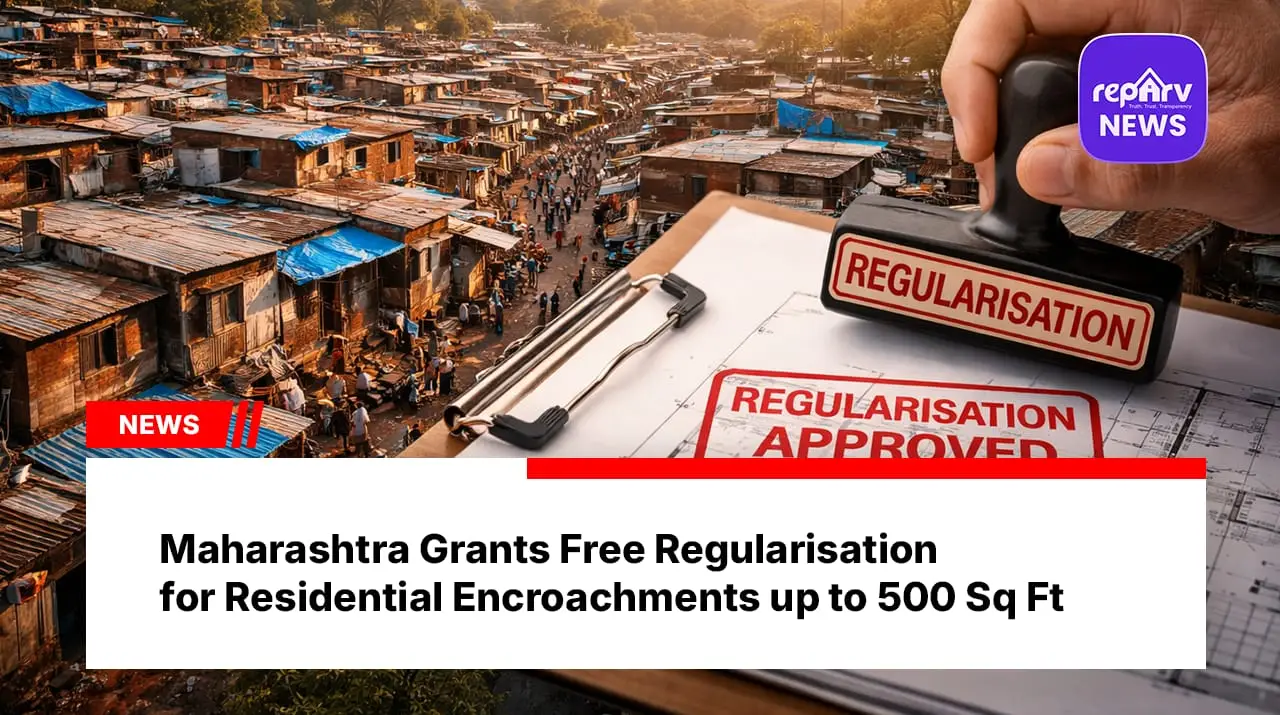
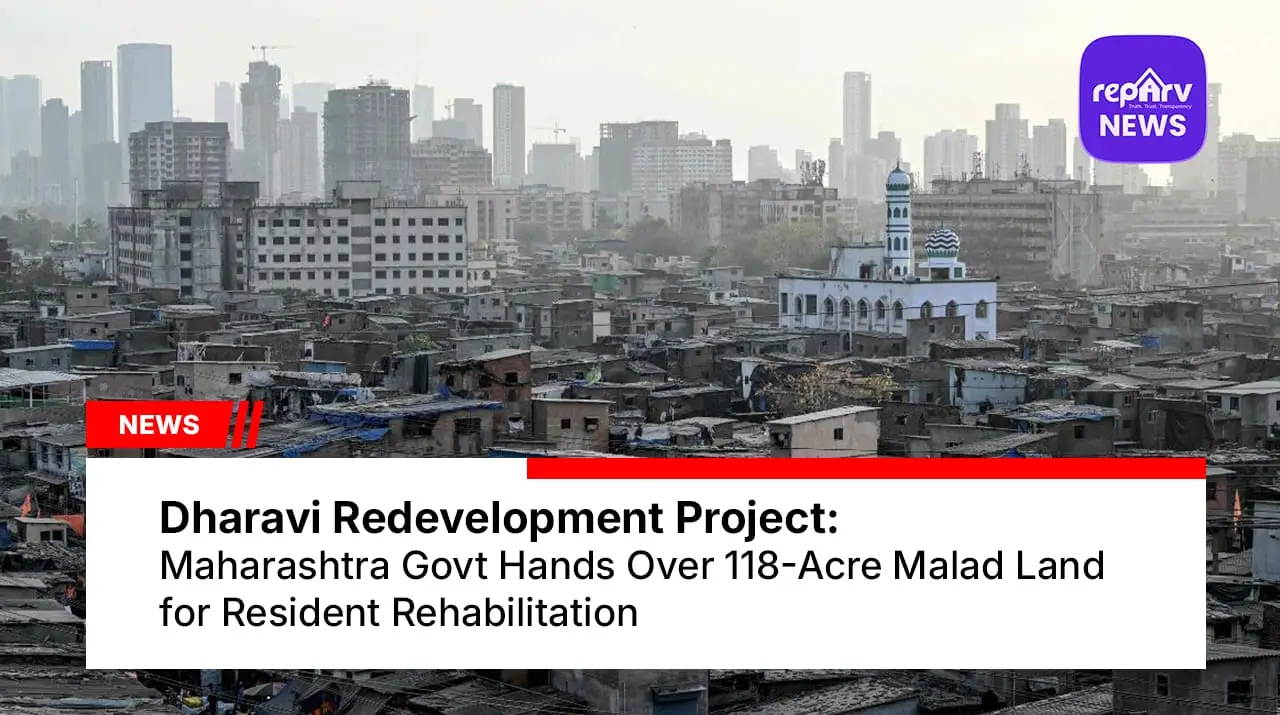
While illegal growth continues, the formal slum rehabilitation sector is seeing historic policy shifts, most notably in the Dharavi Redevelopment Project (DRP). In an unprecedented move, the government has decided to extend benefits to upper-floor residents of Asia's largest slum. Under a revised policy, residents of buildings in Dharavi are now eligible for larger homes—up to 500 square feet—marking a departure from the traditional 300-square-foot norm. Furthermore, a new inclusive housing policy allows upper-floor occupants to claim 300-square-foot homes within the Mumbai Metropolitan Region, provided they can prove occupancy before the 2022 cut-off. This shift recognizes the reality of vertical slum living, aiming to move residents from unsafe, unregulated structures into formal structured housing.
The Future of Urban Renewal in Mumbai
The contrast between the unchecked boom of slum skyscrapers and the formal redevelopment efforts underscores the complexity of Mumbai’s housing crisis. Since its inception in 1995, the Slum Rehabilitation Authority (SRA) has completed over 2,545 projects, rehabilitating approximately 2.83 lakh families. Recent efforts have accelerated, with 18% of these projects completed in just the last five years. As the BMC opens new slum pockets for redevelopment, the focus is shifting toward long-term urban planning and better coordination. The success of these projects depends on their ability to replace unsafe vertical shanties with legal, high-quality high-rises that include proper sanitation and water supply. Over the next decade, the renewal of these informal areas will likely define Mumbai's growth more than any new land development, as the city attempts to trade its "hidden" skyscrapers for a more sustainable, vertical future.


.webp)
.webp)
.webp)
.webp)
.webp)
.webp)
.webp)




.webp)
.webp)
.webp)
.webp)
.webp)
.webp)
.webp)
.webp)
.webp)
.webp)










.jpeg)