

.jpeg)
In a significant change in the real estate scenario in the northern Indian state of Punjab, the peripheral towns of Kurali, Lalru, and Dera Bassi are rapidly turning out to be the new hubs for homebuyers and real estate developers, as the prices in the established Tricity real estate markets continue to rise beyond the reach of the middle-class homebuyer.
For several years, Zirakpur and Kharar have been the main alternatives for those who could no longer afford Chandigarh and Mohali. The low rates of land and accessibility to job centers made these satellite towns the most attractive options for first-time homebuyers and investors. However, with the current surge in the prices of residential plots and apartments in the Tricity, these once-affordable markets are now nearing saturation. Real estate agents are of the opinion that the plots in Kharar, which were classified in the lower price segment, have now become more expensive, making it difficult for homebuyers to find new sites that are economically viable.
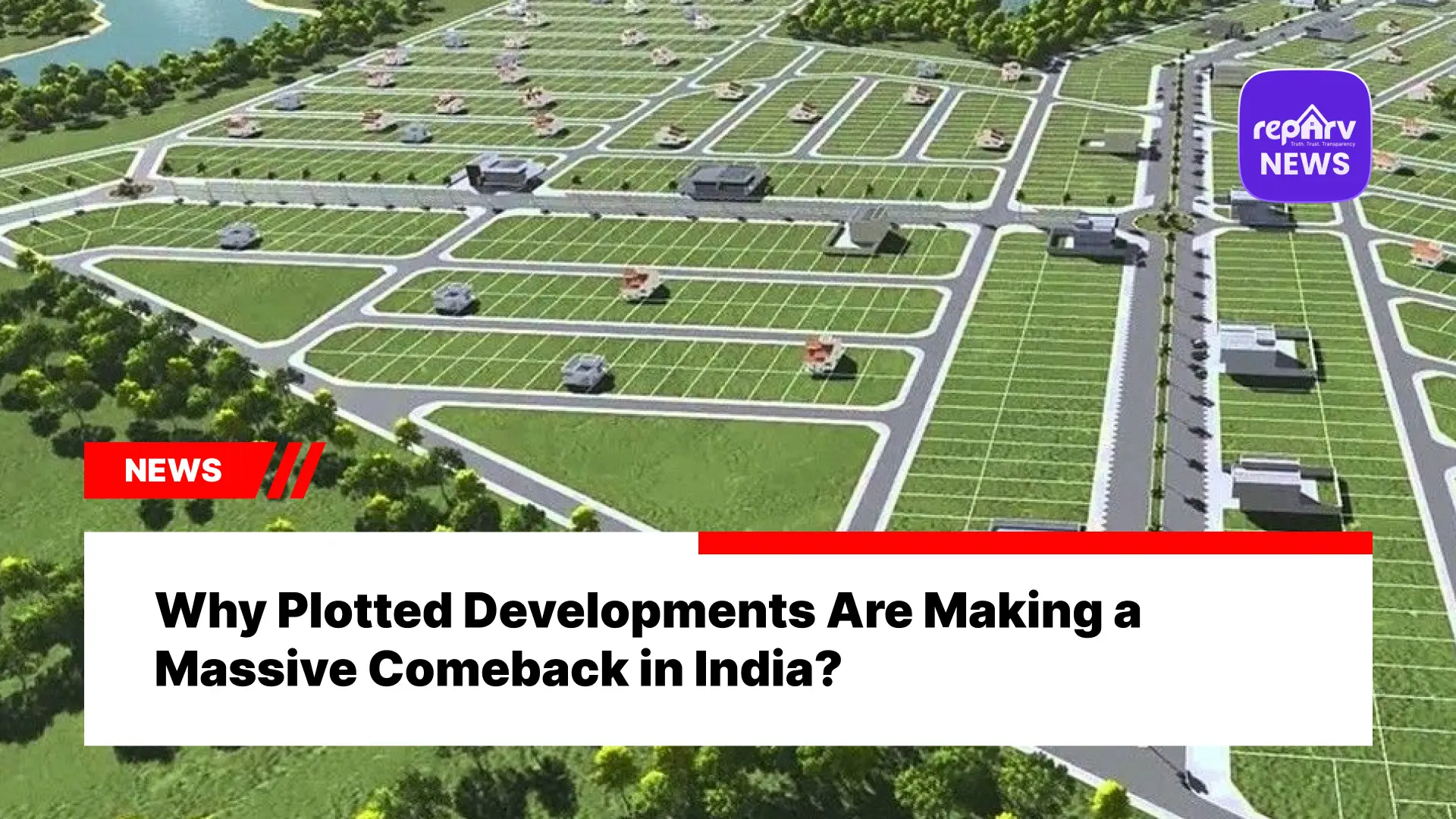
Based on reports from local real estate agents, residential plots in the new up-and-coming areas surrounding Kurali and along the Morinda Road stretch are currently being priced between ₹20,000 to ₹35,000 per square yard, which is still a relatively attractive option for homebuilders and families who would like to build their own homes. In the areas of Lalru and Dera Bassi, residential plot prices are generally quoted between ₹20,000 to ₹50,000 per square yard, depending on accessibility to major highways.
“Whereas in Mohali, a 3-BHK property will sell for over ₹1 crore, and in Chandigarh, it will easily go past ₹3 crore,” said a realty consultant based in the region, who has been involved in Tricity market transactions. “Many middle-class buyers find these prices unaffordable, and this is where the trend is now shifting towards Kurali, where the price per square yard is much more reasonable.”
This price drift is happening at a time when there have been major infrastructure developments that have improved connectivity between Kurali and the Tricity region as a whole. The regional highways and developing road infrastructure have ensured that travel times have reduced, making it possible for people to commute to employment hubs on a daily basis, thus increasing the appeal of these peripheral markets. The infrastructure development is not only attracting end-users but also developers, who are now launching more residential projects in different price segments, especially plotted schemes and low-rise residential formats that are more appealing to middle-class buyers.
According to market analysts, the constant spillover effect of demand from the central sectors of a city highlights the limitations of available urban land as well as the process of decentralization in residential development. “With land becoming scarce and expensive in the central sectors of a city, the real estate market automatically looks for new routes to handle the pressure,” said a market expert in properties who is aware of the trends in the Tricity market. “This is precisely what is happening in Kurali and the surrounding towns.”
One of the most attractive factors in these developing markets is the relatively affordable pricing, especially for the younger generation of buyers who would otherwise be forced to wait in the rental market or stay in it for longer.
However, despite the increasing attractiveness of Kurali and other such towns, it is important that the infrastructure and basic amenities be scaled up to match the increasing demand. Although connectivity has improved, making these points of interest more accessible, it is only time that will tell whether these spots can successfully develop into fully functional residential centers.
Certain buyers who have shifted to these new spots have found the atmosphere to be a refreshing change from the traffic and congestion that is common in certain parts of Zirakpur and Mohali. For most people, the attraction of less crowded spots and less dense living is a major draw. “We shifted to Kurali because it was affordable and offered us the chance to construct our own house without the traffic chaos of city roads,” said a recent plot buyer, reflecting the sentiments of most new entrants in the peripheral markets.
Industry experts also point out that whereas in the past, real estate buyers in the satellite towns of the Tricity were largely comprised of investors, there has been a clear shift towards end-users who are looking to purchase properties not for resale, but for inhabitation. This is a clear indicator of a maturing market where end-users are more interested in the quality of life than in making a quick buck.
The future of the real estate sector in and around the Tricity looks bright. With the central part of the cities facing land availability and construction costs, the peripheral areas are being recognized not only as a fall-back option but also as a promising sector of the real estate industry in their own right.
Investors and homebuyers would be eagerly waiting to see how the real estate equation in the Chandigarh Mohali Panchkula regions would shape up in the coming years, which would redefine the residential landscape of the most dynamic property markets in northern India.


.webp)
.webp)
.webp)
.webp)
.webp)
.webp)
.webp)
.webp)




.webp)
.webp)

.webp)
.webp)
.webp)
.webp)
.webp)
.webp)
.webp)
.webp)